
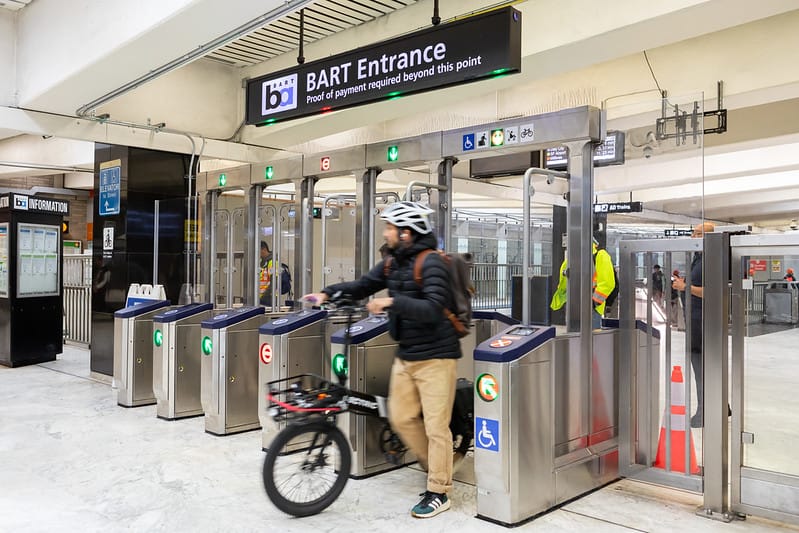

Officials for Bay Area Rapid Transit (BART) say crimes committed against its riders have plummeted since it began installing newer fare gates designed to make it harder for people to board without paying.
According to data provided by BART, the number of crimes committed against riders per million trips fell by more than two-thirds (67%) between the end of 2024 and the latest operational quarter.
Data shows that the number of delays related to BART Police Department operations also fell by nearly half (47%).
Simultaneously, while those crimes and law enforcement-related delays fell sharply, BART’s ridership figures actually went up.
Read More: San Francisco transit ridership surges to post-pandemic highs
BART officials are crediting the sharp decline in crime largely on the installation of the new upgraded fare gates, which are taller, beefier, and harder to get past without paying.
“The gates have clear swing barriers that are very difficult to be pushed through, jumped over, or maneuvered under,” BART wrote last year when it completed full installation across its system. “The overall fare gate array height (gate, console, integrated barrier) forms a tall barrier of 72” minimum to prevent fare evasion.”
The project to install the new gates across the entire BART system was fully completed last September. There are 131 miles and 50 stations across BART’s six routes, which service San Francisco, San Jose, Oakland and the interior Bay Area.
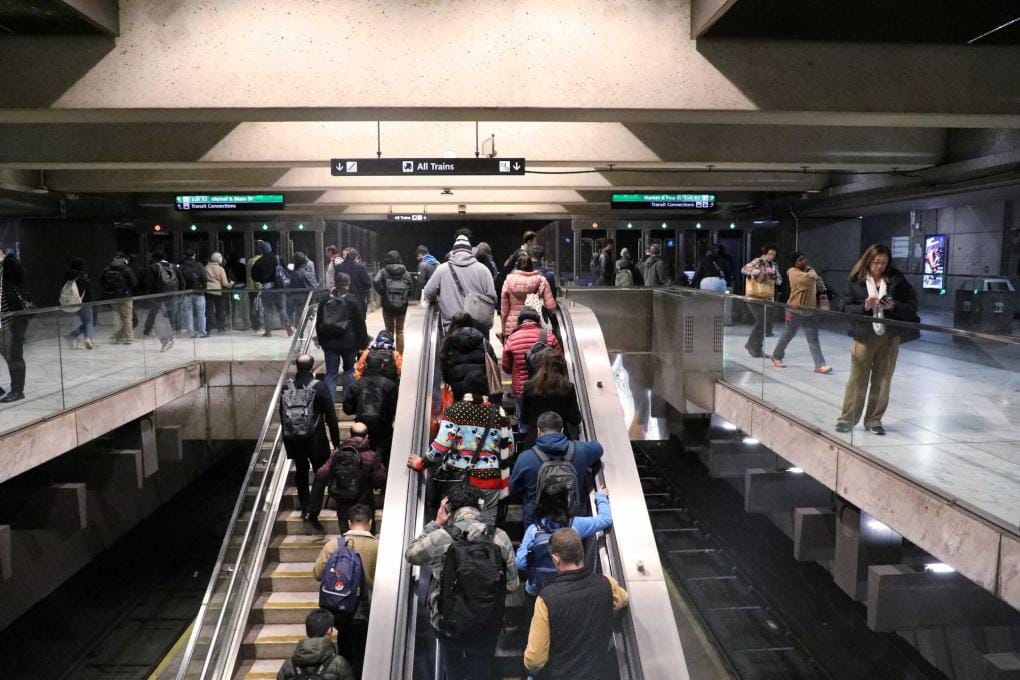
BART General Manager Bob Powers said the new fare gates are “at the core” of what he’s calling the “New BART.’”
“We are offering our riders a safer, cleaner, and more reliable experience than even just a year ago,” Powers said.
BART officials said the upgraded gates have resulted in fewer reports of people riding without paying and significant fare recovery of as much as $10 million per year.
Read More: Another hacker group claims to have breached LA Metro
Libby Schaaf of the Bay Area Council, which advocated for the upgraded gates, said the data was “loud and clear,” showing that the new fare gates prove that investing in these types of upgrades end up paying off in the long run.
“BART riders want and deserve nothing less than a safe, convenient and clean system and BART has delivered,” Schaaf said.
While the overall decrease in crime is an encouraging figure, it is important to note that BART’s own data showed crime against riders was already in decline in the quarters leading up to the full installation of the new fare gates, and the quarter immediately after the project was completed, there was a sizeable increase in reported incidents.
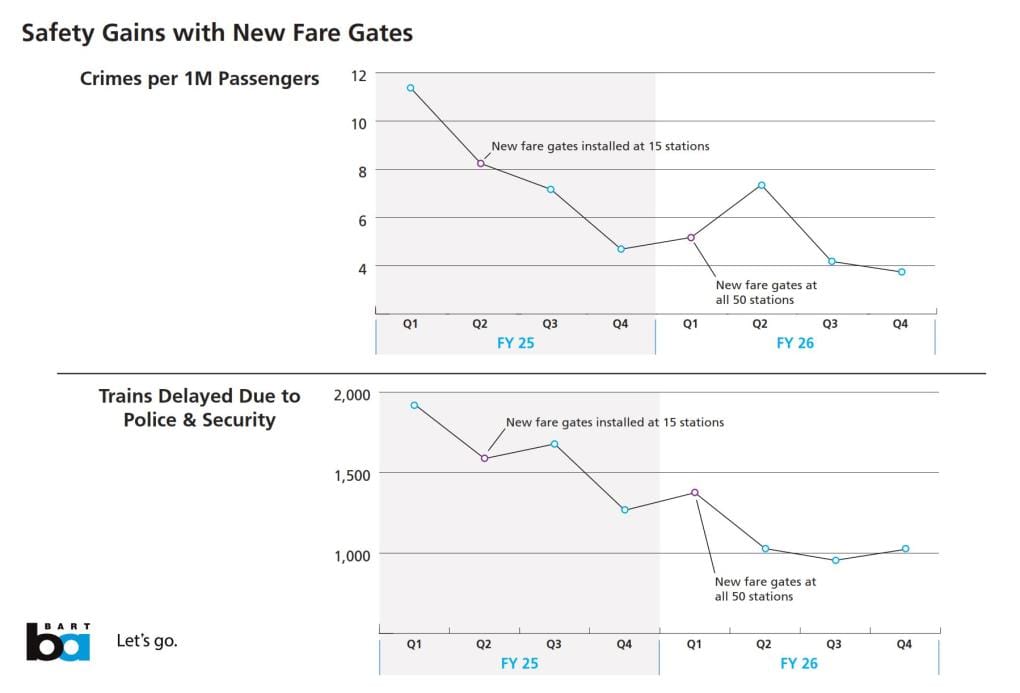
As a whole, though, the decline remains significant. The most recent operational quarters for BART shows the lowest number of reported crime in at least two years.
BART data shows better fare gates work
The results of BART’s crackdown on fare evaders shows the wide-reaching effects of simple, basic enforcement.
In Los Angeles, law enforcement reports showed that the vast majority of crime and code-of-conduct violations on the LA Metro system were perpetrated by people who did not pay to ride the buses or trains.
Since then, LA Metro data has shown significant correlation between fare enforcement and crime levels across its system.
At stations where LA Metro instituted a tap-to-exit program, which requires riders to tap their Metro cards in order to transfer or exit to the street, reports of crime plummeted by more than 40%.
Like its counterpart in the Bay Area, LA Metro has begun the process of installing its own upgraded fare gates to cut down on fare evasion.
So far, those gates have been installed at more than two-dozen rail stations across Los Angeles County—although it’s harder to make those changes at some stations that were never designed with fare enforcement in mind.
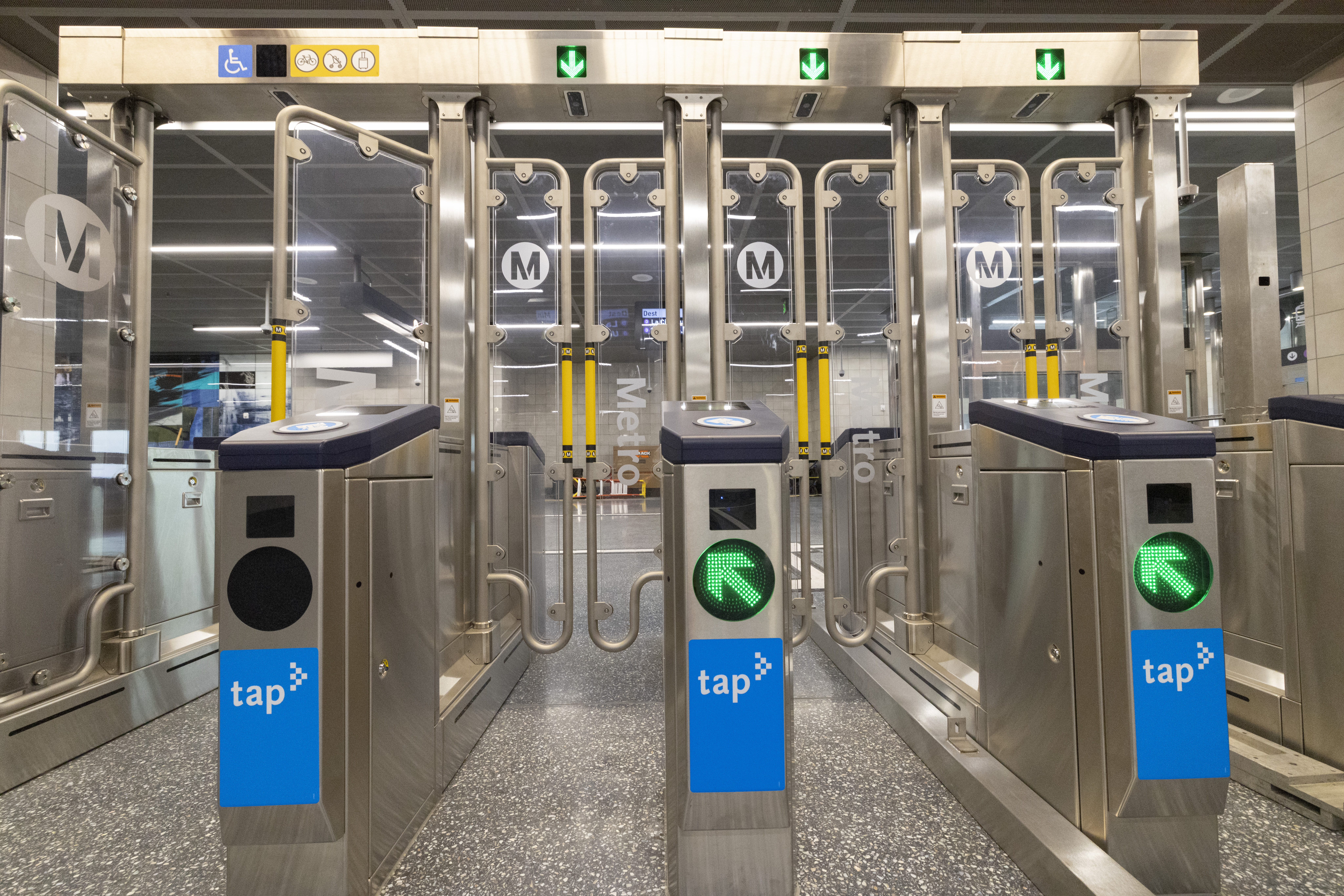
LA Metro officials said the taller fare gates have also directly led to increased fare revenue, echoing the conclusion drawn by BART.
Which begs the question why Los Angeles Mayor Karen Bass, who also chairs the LA Metro Board, has proposed eliminating fares altogether after spending millions on infrastructure improvements that have shown clear, causal impact on crime and rider satisfaction.
BART officials say that the upgraded fare gates are just one component of overall safety improvements across the transit network.
“New gates and our high-visibility patrols on trains and in stations are providing layers of security for our riders,” said BART Police Chief Kevin Franklin. “As reports of fare evasion drop, it frees up members of my team to respond more rapidly to emergencies in the system.”
The agency is continuing to do even more to increase the effectiveness of the new, taller fare gates. A pilot program is already in the works to add motor systems to the swinging gates which are designed to “strengthen the gates’ resistance to repeated impacts.”
Those tests are currently being conducted at Coliseum and Pittsburg Center stations, officials said.
For more stories like this, follow Rabble News on Instagram and Facebook.
