
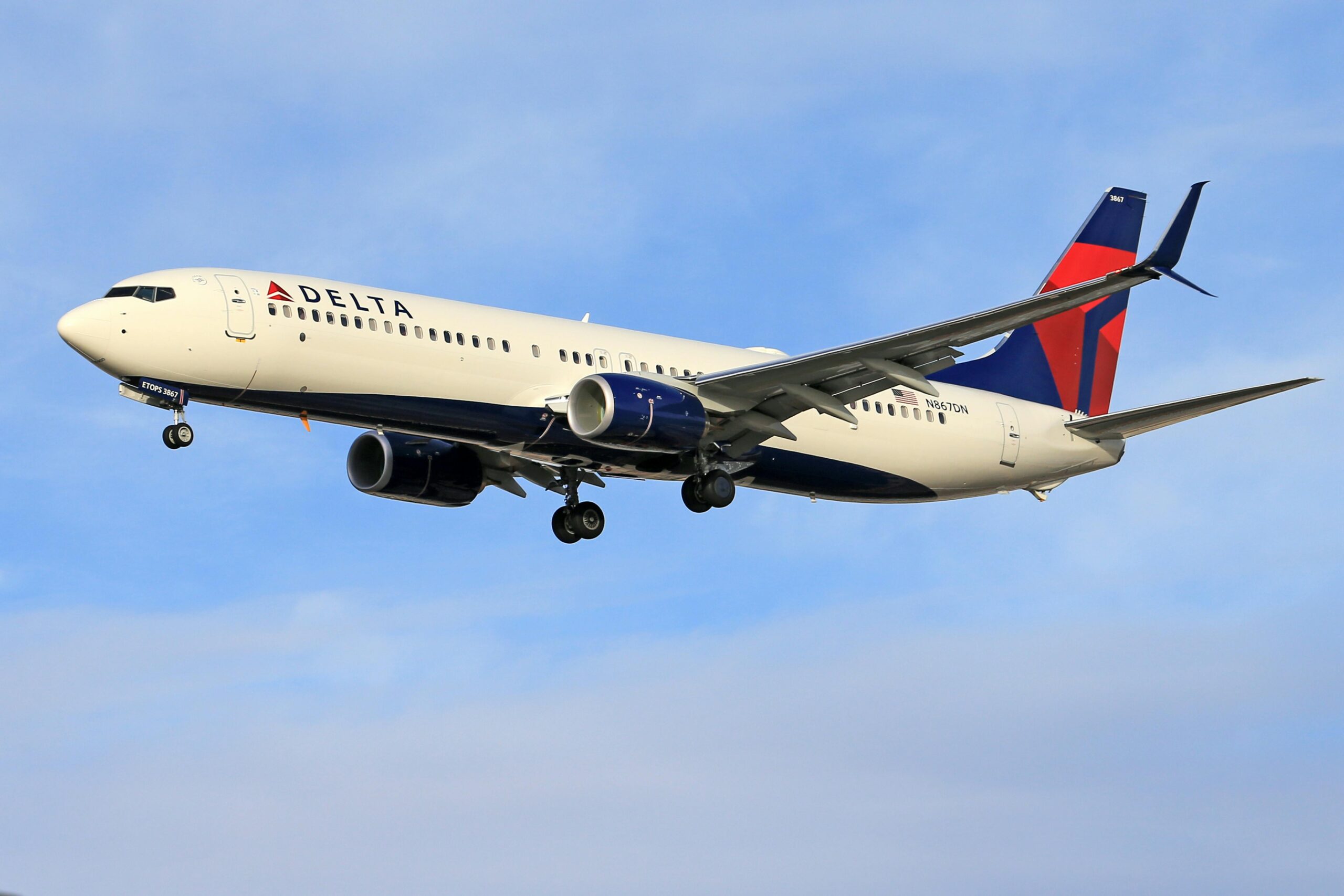

The high cost of jet fuel has had an industry-wide impact for airlines and their travelers, driving airfare prices up to near-historic highs and putting a squeeze on consumers.
But Delta Airlines CEO Ed Bastian isn’t worried about high fuel prices. In fact, he’s lauding them.
During Delta’s Q2 earnings call on Friday, Bastian told investors that the high cost of fuel has proven to be good for the industry and says he expects higher airfare prices to stay, even if fuel prices steady.
“High fuel prices have proven to be the most powerful catalyst for change in our industry, and this year, that has once again been the case. Coming into the recent fuel spike, most U.S. carriers were already struggling to earn their cost of capital against a backdrop where industry airfares have meaningfully trailed inflation, costs have reset higher, and consumer preferences have evolved.”
Delta Airlines CEO Ed Bastian
Essentially, what he’s saying is that most U.S. airlines were already having trouble making enough profit to justify their costs. Ticket prices haven’t risen as quickly as inflation, operating expenses are much higher than they used to be, and travelers’ needs and habits have changed.
Bastian added that the airline industry has been able to “recapture” the rising costs of fuel at the “fastest pace of any recent cycle.”
He continued by telling investors that revenue outlooks for Delta looked good, with the company and the greater industry positioned to benefit from reduced oil prices while consumers continued to pay current airfare prices.
“We believe current revenue momentum should remain sustainable even if fuel prices moderate,” Bastian continued. “That is an important step towards improving the industry’s financial health and earning sustainable returns over time.”
Read More: Delta Airlines removing snack and drink service from hundreds of shorter flights
Bastian did specify that he believed the cost of airfares have not kept up with the rate of inflation, and many airlines have struggled to hit revenue targets.
But Bastian is bullish about his airline’s earnings potential for the latter half of the year.
“With continued revenue momentum, measured capacity, and a more stable fuel environment, we expect to return to earnings growth on double-digit operating margins in the second half of this year,” Bastian said.
Why lower fuel prices won’t affect airfare prices
Bastian isn’t necessarily saying anything unexpected. Industry experts and analysts have warned that rising airfare price could become the new normal as consumers get used to spending more on their travel.
Rising fuel prices was a necessary, albeit convenient, opportunity for struggling airlines to raise airfare prices. If travelers are willing to stomach the costs, what reason would there be to lower them back down?
Ben Schlappig of One Mile at a Time wrote that, from his perspective, there are many factors that go into the overall cost of airfare, namely supply and demand.
Consumer demand remains high, and airlines have mechanisms to control supply by cutting some flights.
Read More: Delta named top airline in the world for 2026
But Schlappig notes that flight capacity remains relatively high and there’s probably more than enough supply to meet that demand. So shouldn’t airfare prices go down, or, at least stabilize?
“It’s almost like all the airlines have a ‘wink wink, nudge nudge’ agreement to keep fares higher right now,” Schlappig writes. “I don’t want to suggest anything illegal is happening, or that this is official collusion, but I think the concept isn’t too far off.”
Schlappig adds that many airlines haven’t turned a profit in years, and many are heavily dependent on credit card revenue. It’s also very expensive to run an airline, so rising fares are justifiable in many cases.
Delta, however, has good profit margins. But in a capitalist society, where CEOs are beholden to shareholders, margins can always be better.
If consumers want lower airfare, return-to-normal fuel prices likely aren’t going to be the deciding factor. Competition, namely from low-cost carriers, will be the key.
And that’s where the conspiracy-not-conspiracy theory comes in play.
“Eventually I feel like something has to give,” Schlappig says. “Ultimately the way fares end up going down is because you have desperate airlines with seats to fill, and if they can undercut the other guys, those airlines often feel the need to match fares as well.”
Delta later released a summary of its Q2 financial results on its website with the following financial results:
- $19.8 billion in operating revenue
- $1.9 billion in operating income
- $2.44 in earnings per share
- $1.6 billion in operating cash flow
For more stories like this, follow Rabble News on Instagram and Facebook.
