
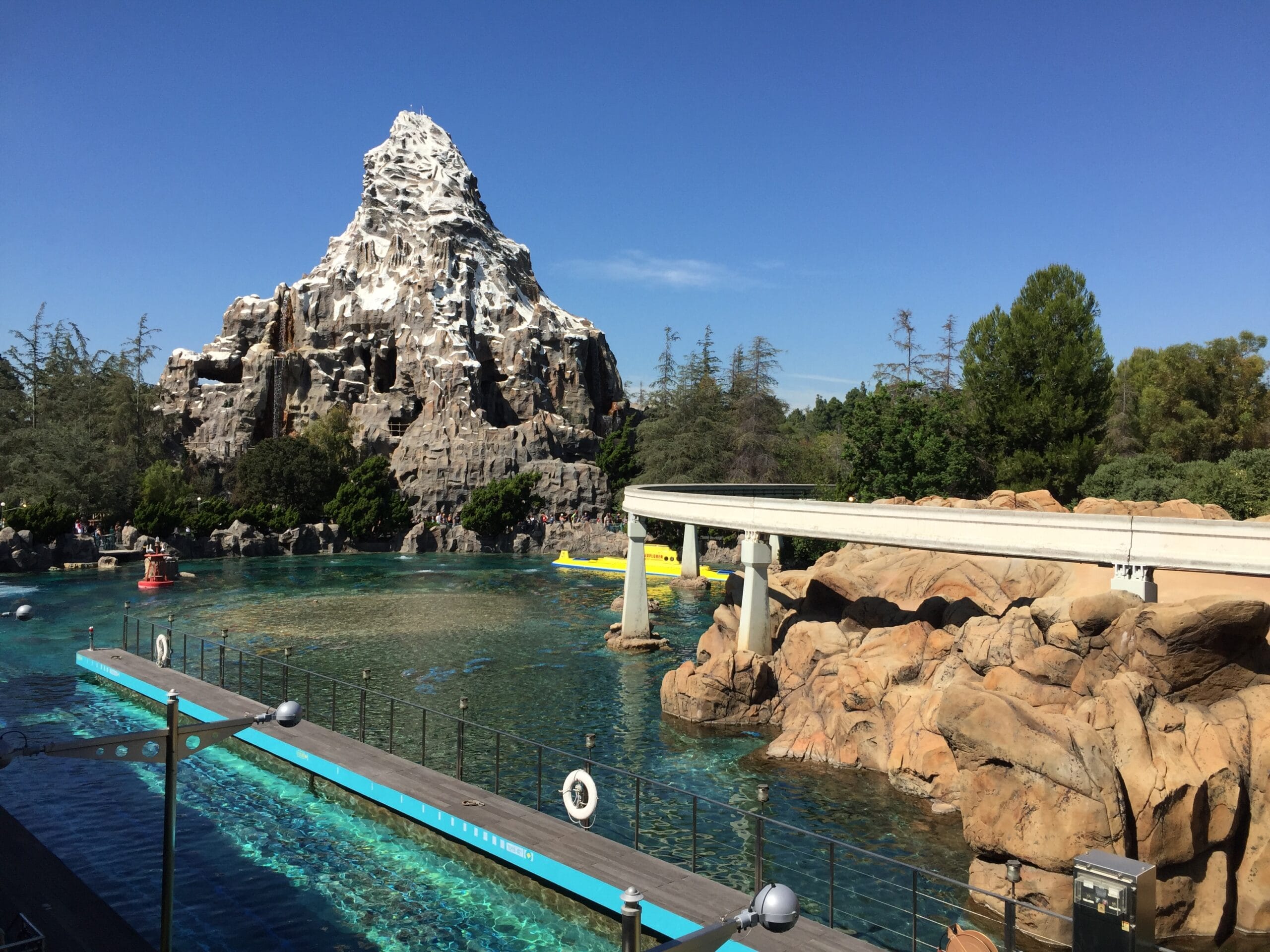

A beloved (or maligned, depending on who you ask) attraction at Disneyland in Southern California will need to make some major changes by early next year to meet the state’s strict rules regarding vehicle emissions.
Autopia, located in the Tomorrowland section of Disneyland in Anaheim, will need to fully replace its fleet of gas-powered vehicles by February 2027, according to the Orange County Register.
California’s powerful Air Resource Board, an environmental agency tasked with monitoring and reducing air pollution, previously reached an agreement with Disneyland to phase out its entire gas-powered fleet or shut down the ride entirely.
According to documents acquired by Climate Colored Goggles, the California Air Resource Board (CARB) previously sent a notice of violation to Disneyland because the vehicles it uses in the attraction were out of compliance with the state’s strict emissions standards.
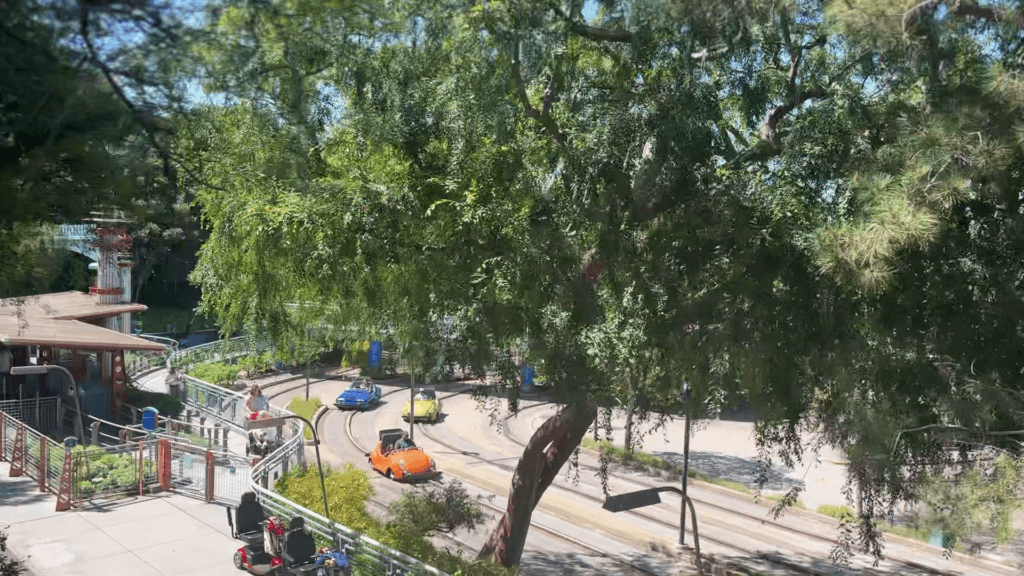
Honda, the sponsor and mechanical partner of the attraction, apparently installed new engines when it acquired rights to Autopia, and failed to certify the engines with CARB.
Despite no alleged impact to the climate from those Honda engines, Disneyland agreed to pay a fine of more-than $56,000 and agreed to eventually take the vehicles out of rotation.
Climate Colored Goggles later learned through a California Public Records Act request that Disneyland was given a Feb. 1, 2027, deadline to completely remove the vehicles or be forced to shut down the historic attraction until a remedy is put in place.
Disney has already announced plans to phase out its gas-powered vehicles with electric ones, but the company was not directly instructed to do so by CARB. The cars could theoretically continue in their gas-guzzling and exhaust fume-spewing glory with different engines or other modifications, but plans are in motion for new electric carts with a prototype already in the works.
Fans have long clamored for EV technology to replace the gas-powered engines responsible for filling that corner of the park with its own Disneyland specific scent of fuel, rubber and exhaust—some candle artists have even gone so far as to make novelty candles with the distinct fragrance.
Now Disney lovers have a hard deadline for when the gas-powered vehicles will have to ride off into the smoggy sunset. Whether or not there will be an immediate transition into electric technology is unclear, but I would imagine it’s unlikely. There will likely be some down time.
For what it’s worth, the Los Angeles Times previously reported in 2024 that the electric vehicles would be in use by fall 2026, but I would say that seems a bit optimistic now.
What is Autopia at Disneyland?
Autopia was one of the opening day attractions at Disneyland in July 1955. It promised an experience unlike any other at the time: an opportunity for kids to get behind the wheel of a real vehicle and drive (sometimes with an adult) along a futuristic roadway with safety guardrails to prevent any major danger.
A center rail guides the vehicle along a pre-planned course, so young drivers don’t have much control over the navigation aspect, but they do get to control the real throttle and brakes.
The ride was immensely popular at the time of the park’s opening and spanned spinoff attractions at Disney’s other properties in Florida, Paris, Tokyo and Hong Kong—the latter two of which have since closed.
While historic and still garnering long lines in the dog days of summer, its popularity has dwindled as its novelty has worn off with time. The headache-inducing fumes hasn’t helped either.
Autopia has had several sponsors over the years prior to Honda, including Chevron, who did not (and continue to not) have any incentive to be early adopters of electric vehicle technology.
Honda has been the ride’s primary sponsor since 2016. Honda itself is also not a meaningful player in the EV market—at least currently.
But the Japanese automaker said it does take California’s emissions standards seriously, telling Climate Colored Goggles that it immediately reported to CARB the non-compliance of Autopia’s engines when it was discovered.
Disneyland has made lofty goals to become more sustainable, including plans to reach net-zero emissions by 2030. The fate of Autopia’s gas-powered vehicles was likely already decided years ago.
