
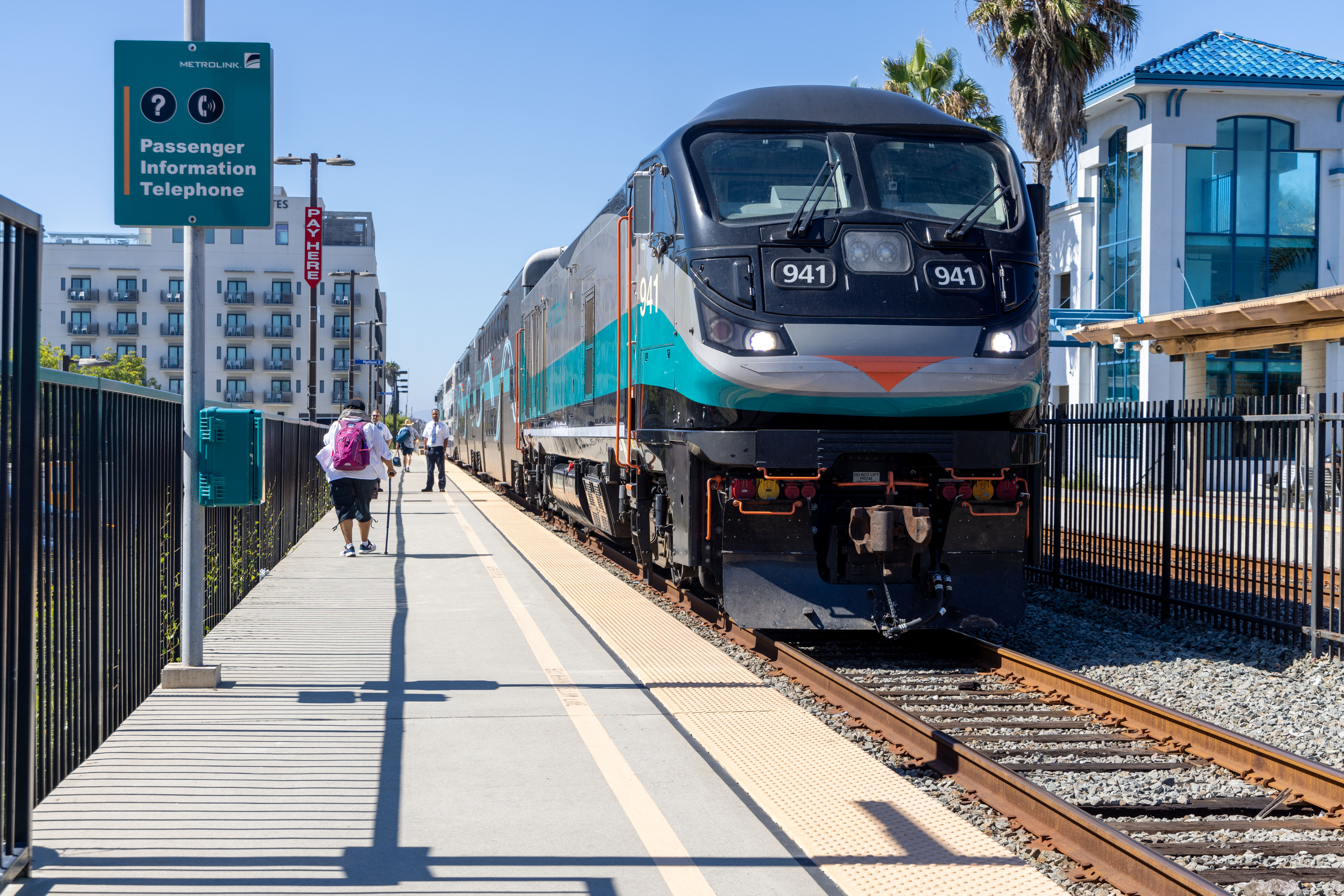

Southern California passenger rail system Metrolink has officially increased its fares for the first time in more than a decade.
The fare increases went into effect on Monday, Oct. 5, with the cost of a one-way ticket rising by an average of 14%.
Nearly 80% of one-way tickets saw an increase of up to $1, and a very small portion raised by more than $2, Metrolink officials said.
The SoCal Day Pass, which was previously $15 on weekdays and $10 on weekends and holidays, have each increased in price by 20-27%, with weekday passes now costing $19 and weekends rising to $12.
In addition to one-way tickets and the SoCal Day Pass, some other passes that are priced based on distance have been adjusted, including the 5-Day Flex Pass and Monthly Passes.
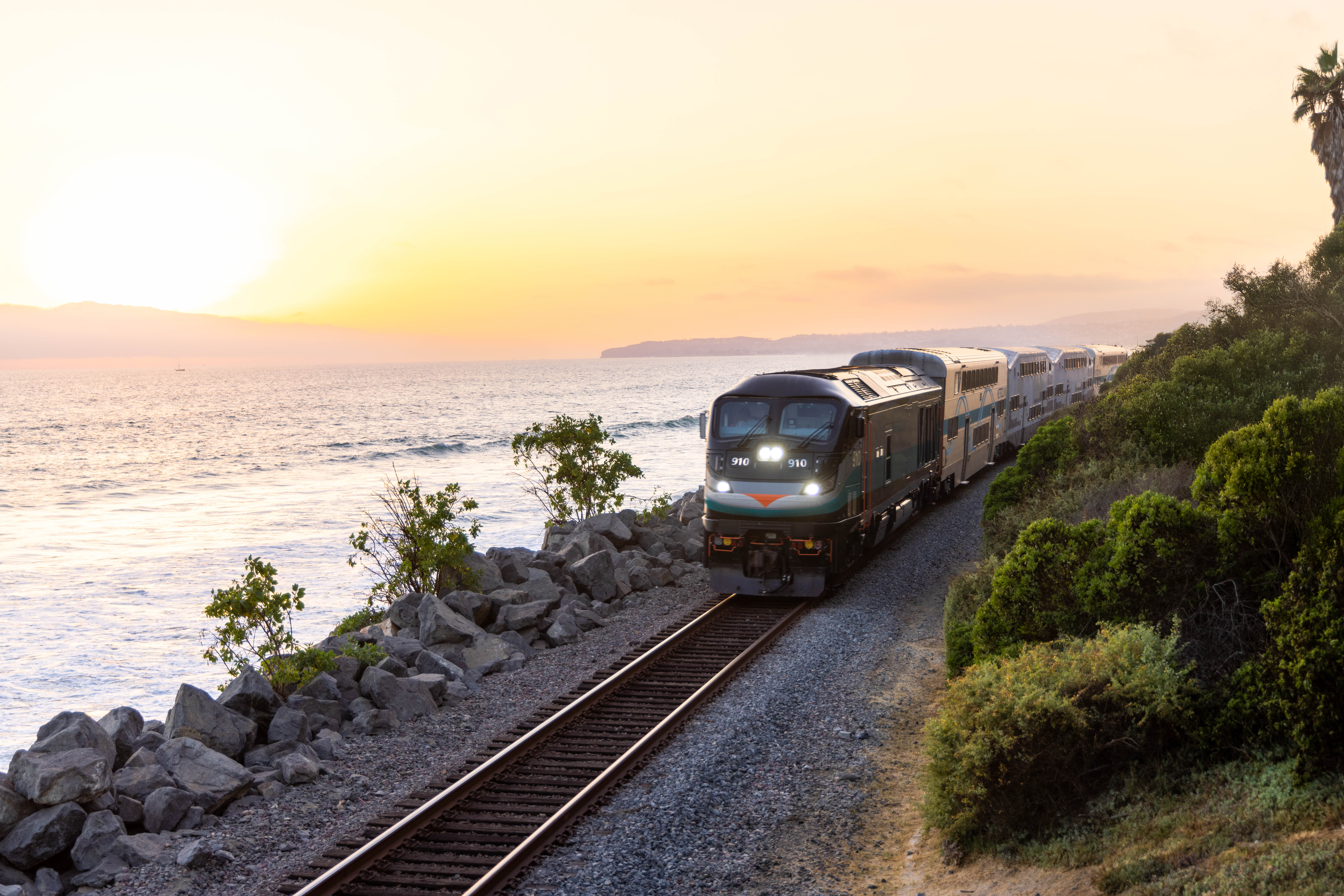
Metrolink said price increases would affect some customers, while others might actually see a small decrease on those distance-based passes.
Read More: LA’s subway system could have major delays into 2027
The $5 price of the LA Zone Day Pass, which was created last summer in an attempt to simplify Metrolink’s pricing structure, in unchanged.
Additionally, existing discounts for students, seniors, minors, riders with disabilities, Medicare recipients, low-income customers, and current and former military members are still be available.
Those “everyday discounts” can be as significant as 50% off, depending on category.
Metrolink facing major financial challenges
These price increases were approved by the Metrolink board back in June, announced formally in September, and put into place on Monday.
Officials say it’s the first meaningful price increase in 13 years, and was made necessary by continued financial turmoil that the railroad has been facing since the COVID-19 pandemic.
Ridership figures have not bounced back since the pandemic, and Metrolink is facing a $30 million budget shortfall that has only been made worse after two of its largest funding contributors announced they would be making cuts of their own.
LA Metro previously announced it would cut its Metrolink contribution by about 3%, accounting for about $4 to 6 million in reduced funding. Despite these cuts, LA Metro remains the commuter railroad’s biggest contributor of more than $130 million.
The Orange County Transportation Authority approved $10.5 million in funding toward Metrolink for the remainder of the year, but OCTA plans to enforce a hard cap on how much it contributes to Metrolink going forward.
That means Metrolink can’t rely on the same amount of contributory funding from either LA Metro or OCTA. State and federal funding has also been reduced during that same time frame.
To help address that budget shortfall, price increases became the necessary next step for the struggling railroad.
Read More: What the Brightline bankruptcy means for current riders and Las Vegas plans
The biggest financial obstacles that Metrolink faces moving forward include a significant backlog of maintenance, repairs and equipment shortages.
The lack of rail-worthy equipment previously lead to Metrolink slashing its service schedule, including major cuts to weekends and holidays, and fewer late night trains on weekdays.
Those service cuts are a big deal for commuters and leisure riders who rely on the commuter rail system, which is the third-largest in the U.S.
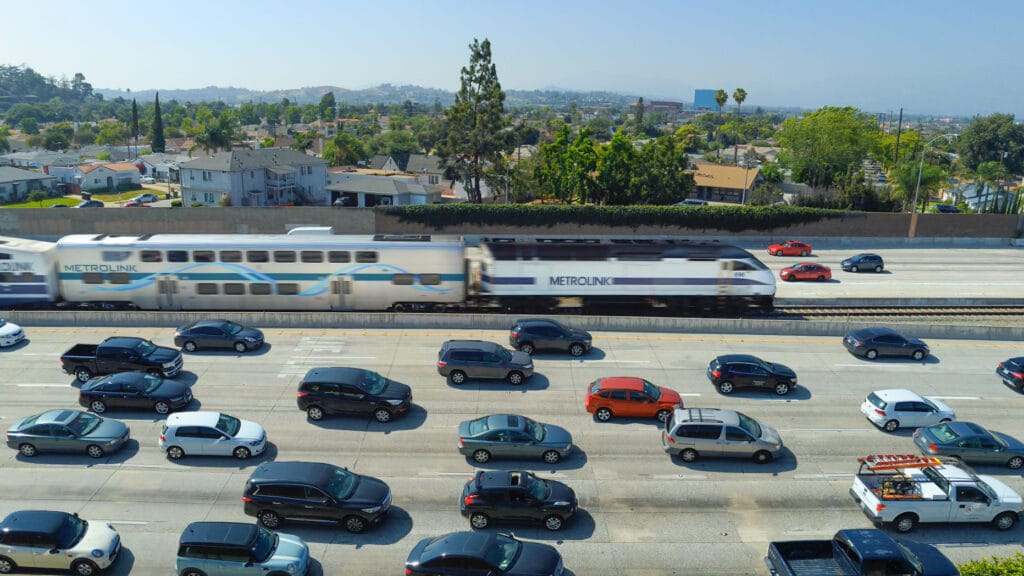
Metrolink’s system spans more than 545 total service line miles, and includes eight distinct lines that connect six different counties across Southern California: Los Angeles, Orange, Riverside, San Bernardino, Ventura and San Diego.
In addition to its long-distance routes, Metrolink also operates Arrow, a nine-mile hybrid-rail system in San Bernardino County that connects downtown San Bernardino to the University of Redlands.
The effects of these service cuts and price increases will likely be wide reaching. We likely won’t know exactly how effective either of these methods were for several months, at the earliest.
For more stories like this, follow Rabble News on Instagram and Facebook.
