
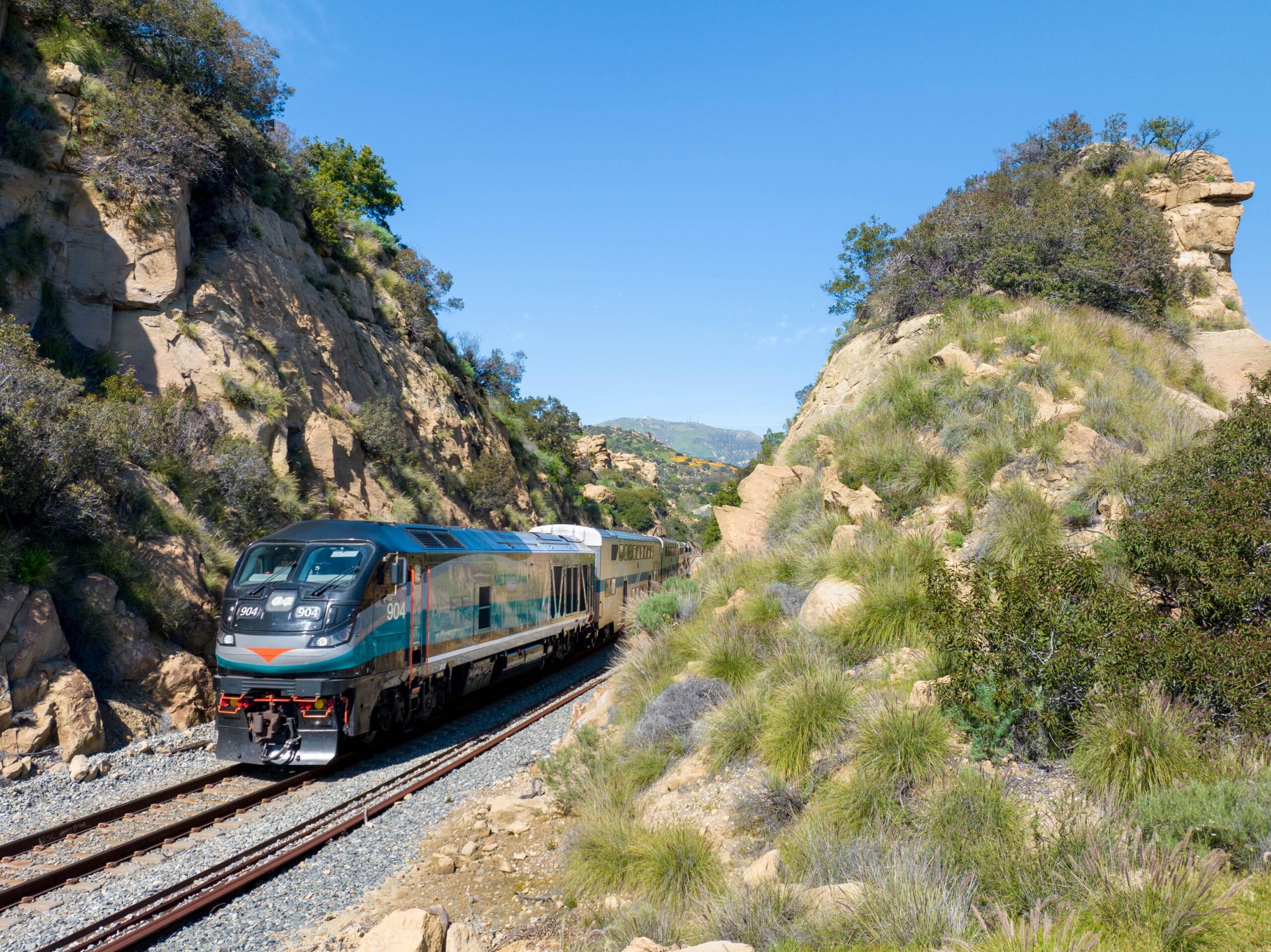

Metrolink, Southern California’s regional passenger rail system, has been forced to scale back its service for the foreseeable future due to budget shortfalls and equipment issues.
On Monday, Metrolink announced that it’s reduced service schedule*, which has been in place since March 23, will become the full-time operations schedule indefinitely.
Metrolink was forced to take many of its trains out of service for maintenance that had previously been put off; some of those train cars and engines are in need of parts that Metrolink has been unable to source.
The reduction in service was initially meant to be in place for seven weeks, but now there appears to be no end in sight.
“We recognize the disruption to your Metrolink experience, and we appreciate your patience, flexibility, and continued ridership during this time,” Metrolink officials said in an update Monday. “We implemented this service reduction to address mounting mechanical issues and supply constraints. While progress has been made, those issues have not yet been fully resolved.”
Metrolink said the decision was not made lightly, but moving forward with the abbreviated schedule gives the beleaguered transit agency the best chance to prevent “repeated short-term changes that would create even more uncertainty.”
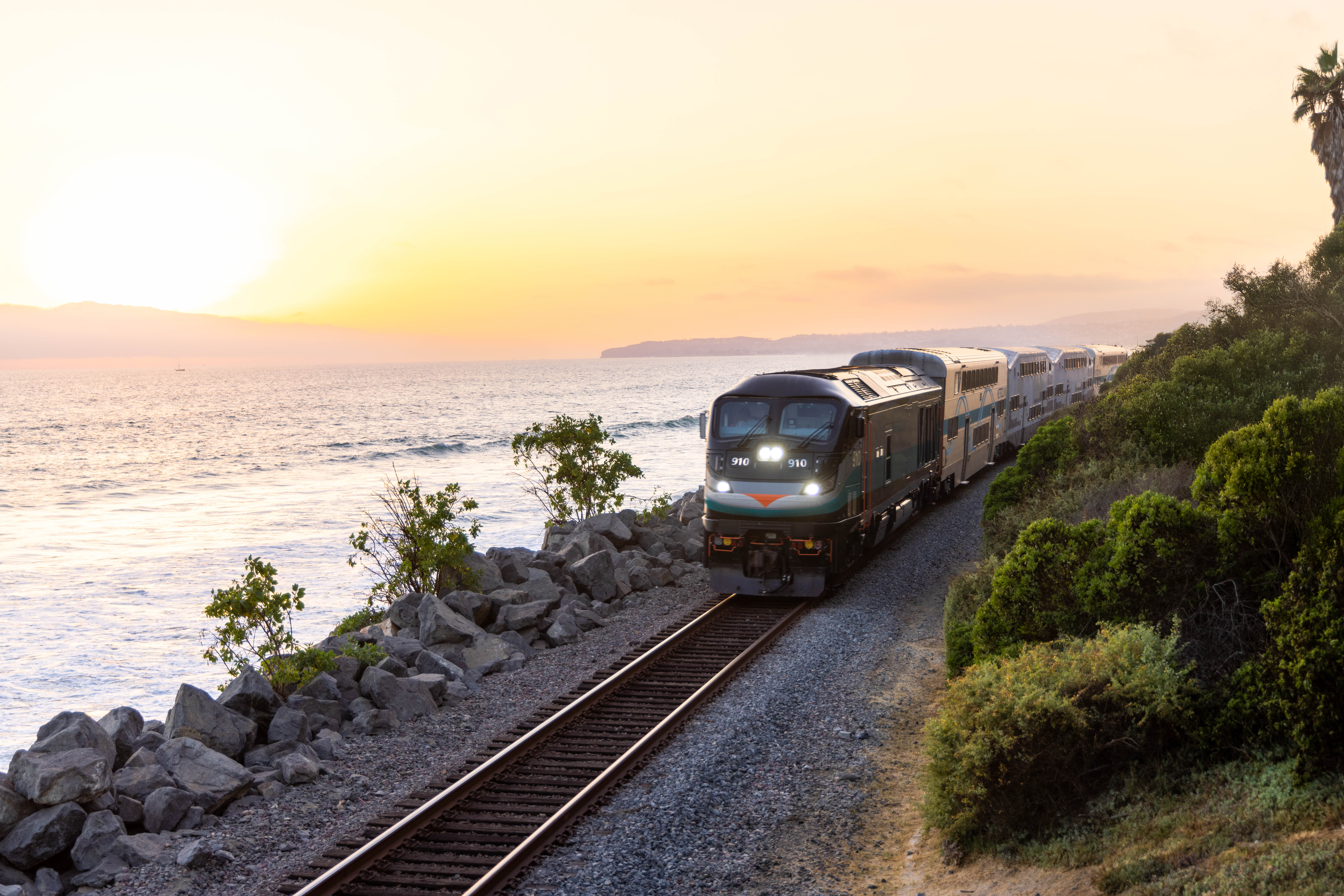
Metrolink advised its users, many of whom rely on the system for their daily commutes, to continue using the current schedule and regularly check for updates before traveling.
What’s going on with Metrolink?
The agency, like many in the transit and transportation agency across the globe, has been hit hard in multiple areas. First, while ridership has slowly built up overtime, many transit agencies are seeing fewer riders than prior to the coronavirus pandemic. Metrolink says ridership is still below pre-pandemic numbers and fare recovery has not been enough to make up for the cost of service.
Additionally, the rising price of fuel is creating a significant challenge for all industries, particularly in travel and transit. Metrolink, unlike LA Metro, primarily utilizes low-emission diesel trains, so the soaring costs of fuel has hit the agency harder than some other transit authorities.
But the largest hurdle Metrolink is facing comes from proposed budget cuts by LA Metro and the Orange County Transportation Authority (OCTA), which has previously provided cash to help fund the service. It’s estimated that LA Metro and OCTA will cut nearly $10 million from their annual contribution to Metrolink, which is facing a budget shortfall of upwards of $30 million.
Read More: With deadly collisions still a menace, DOT funding $1.1B for railroad crossing safety
Metrolink says it has taken several steps to reduce cuts and increase revenue over the past years. The railroad announced a major expansion of service in 2024 and retooled its schedule—to varying degrees of success—in early 2025. But fares have not kept up with those ambitious expansion plans, leading to the budget crisis the agency faces now.
Officials for Metrolink said that the next potential revenue stream could come through increased fare prices that could be put into motion by October. Increased fare rates may also coincide with further service reductions, Metrolink said.
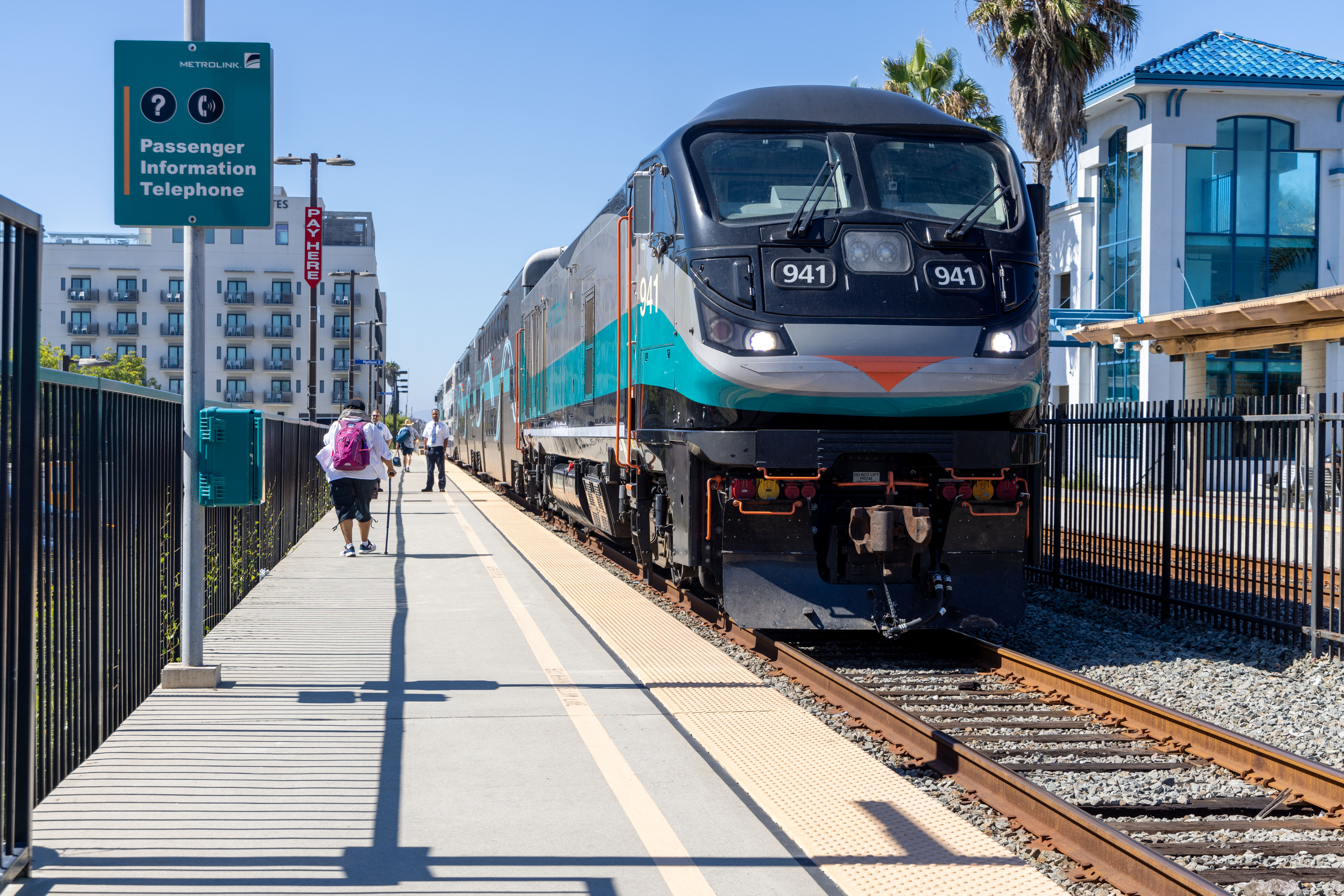
In the meantime, Metrolink is urging its users and supporters to go to bat for them.
“Our customers’ voices will be essential during this period. We want to hear directly from you as we consider proposed changes,” Metrolink wrote.
A public comment period will become open on May 1, and Metrolink is urging riders to speak up in support of continued funding. The public can provide comment during this period utilizing an online survey, an online feedback form, virtual public meetings and attending a public hearing at a June board meeting.
Information on the upcoming public comment period will be made available on Metrolink’s website.
Read More: LA Metro searching for partner to operate water taxi service during 2028 Olympics
The reduction in service could not come at a worse time for the Los Angeles region. L.A. will host several matches as part of the 2026 FIFA World Cup in June. In 2028, the city will undertake the Herculean task of hosting the Summer Olympics and Paralympics, a sprawling, citywide event that organizers are trying to make as car-free as possible.
*(Metrolink’s Arrow Service in San Bernardino County is not currently facing service reductions).

5 Comments
Pingback: Spirit Airlines customers likely won't receive refunds
Pingback: What to know about LA Metro's 3 new D Line stations
Pingback: Amtrak's blazing fast trains already logged 1 million riders
Pingback: Amtrak Airo trains built and being tested before 2027 debut
Pingback: Metrolink raising prices for first time in 13 years