
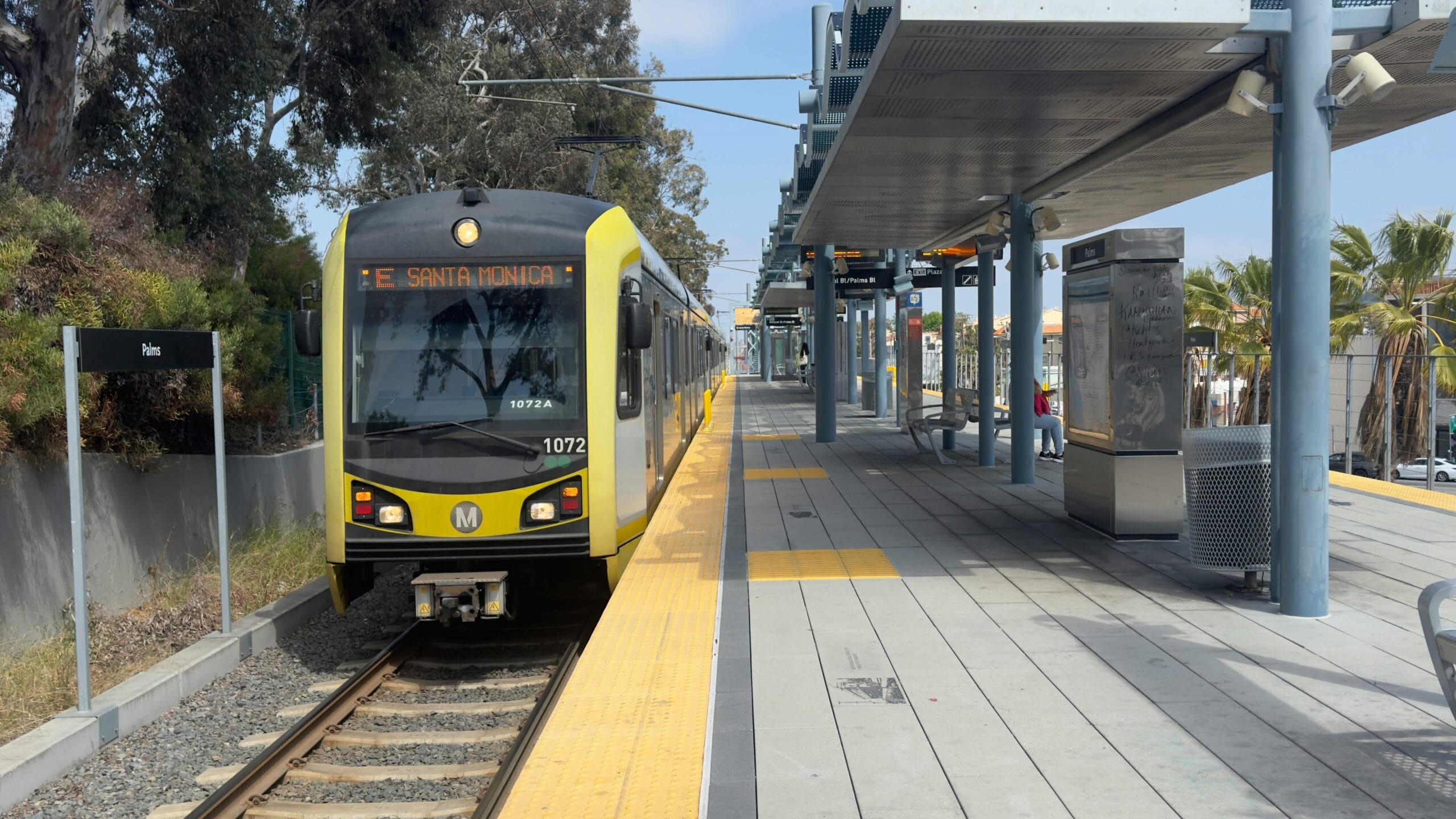

If chosen to be the next mayor of Los Angeles, Nithya Raman vows to utilize public transit and use her allotted appointments to put other transit riders on the LA Metro board.
Participating in a mayoral forum with local radio and digital website LAist, Raman laid out her plan for a revamped LA Metro board that is comprised of actual public transit users—including herself.
“I think that we have had for too long people on [the LA Metro Board] who are theoretically engaged with the idea of public transit and not actually relying on their own experience of using it,” Raman told Erin Stone, climate and environmental reporter for LAist. “When I sit on Metro, I want to use it again. I haven’t been able to use it because of the nature of my job over the past few years, but any person who is appointed to Metro should also be riding Metro.”
How is the LA Metro Board selected?
By California law, the LA Metro Board is comprised of 13 voting members, typically local political leaders and/or their appointees, and one non-voting member appointed by the California Governor.
The current breakdown looks like this:
- 5 Los Angeles County Supervisors
- 4 Regional representatives (typically council members or mayors of neighboring cities within the Los Angeles basin)
- Mayor of Los Angeles (Karen Bass)
- 3 mayoral appointees
- 1 non-voting board member (Caltrans District 7 Director Gloria Roberts)
With its current makeup, the L.A. Mayor’s Office wields tremendous power in the direction of LA Metro’s priorities.
Bass is currently chair of the LA Metro Board and is, admittedly, not a regular user of the public transit system—there’s no current requirement for an LA Metro Board member to regularly use the system or even fully understand how it works.
Read More: LA Metro homelessness down big since 2024. Why mess it up?
Bass did, however, present a motion that would require one of the mayor’s three appointees to be a transit user or advocate—after Los Angeles County Supervisor Kathryn Hahn, one of the few Metro Board members to actually use public transit, advanced a similar plan to expand the board by one for a dedicated transit user with the right to vote.
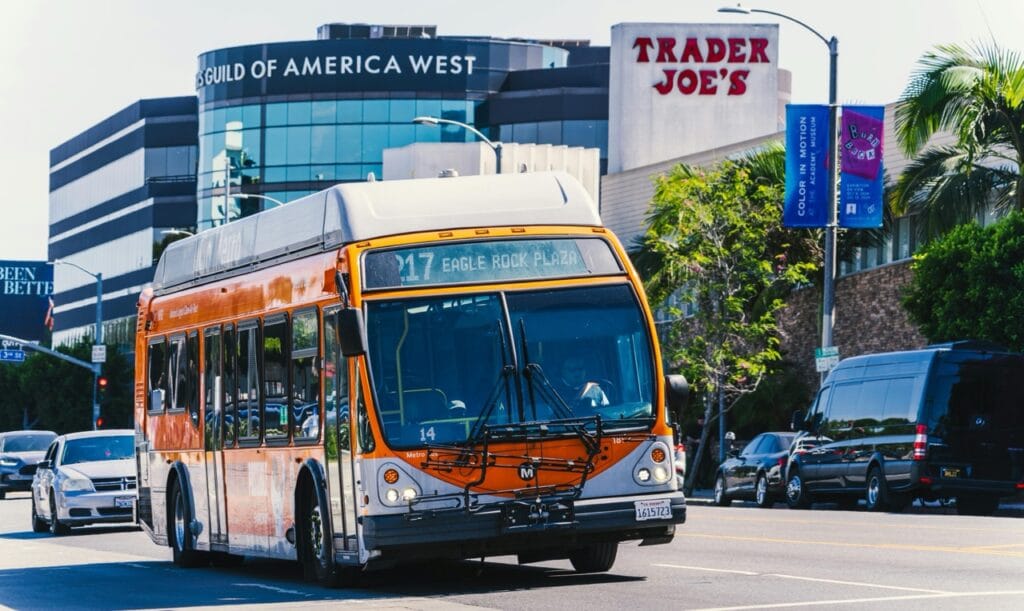
Both of those proposals need to be approved by the California Legislature. If passed, the LA Metro Board could expand to 14 voting members, two of whom would be required to be regular riders.
If Raman were to oust Bass in the November election and follow through with her promises, the makeup of the LA Metro Board would change even more drastically—in theory.
Suddenly, there would be five transit users on the board counting Raman and her appointees and the newly created voting member. That doesn’t include both Hahn and Long Beach Mayor Rex Richardson who have each made active efforts to use the system.
Now you’re looking at potentially having seven members—half the board—either regular or semi-regular transit users.
That could completely shift the priorities and culture of Los Angeles County’s public transit future.
But, of course, that could also change.
What does Measure G mean for LA Metro?
In 2024, Los Angeles County voters passed Measure G, which will create an elected countywide chief executive officer position and expand the county supervisors from five to nine.
It’s unclear at this time what that means for the LA Metro Board and its members.
Would the board expand further? Would the nine County Supervisors take turns and rotate amongst the five voting members?
Read More: Raman vows to investigate LAX People Mover and contractor
Hahn says LA Metro is already re-examining the future of the governing board following the passage of Measure G. The newly elected Los Angeles County CEO likely wouldn’t take office until 2029, and the Supervisor expansion will happen during the 2032 election cycle at the earliest.
Again, any changes to the board would require approval from the California legislature.
So, there’s at least a few years in which LA Metro could have its strongest contingent of transit users making policy and administrative decisions.
Click to read the full transcript of Raman’s response to LAist
Erin Stone: And tell us a little bit more about what you might—how you might use those Metro seats. Who might you put on Metro?
Nithya Raman: Oh, that’s a great question. I think, you know, I want to make sure that we’re putting on riders on those seats. I think that we have had for too long people on Metro who are theoretically engaged with the idea of public transit and not actually relying on their own experience of using it. And when I sit on Metro, I want to use it again. I haven’t been able to use it because of the nature of my job over the past few years, but any person who is appointed to Metro should also be riding Metro.
Erin Stone: So all the seats that you have as a mayor to appoint, you might—
Nithya Raman: Well, I want to make sure that everyone who’s appointed to it is also riding Metro. Yeah, I think it’s really important. You don’t have to do it every day. I understand it’s hard to do for people depending on where you live and what kind of accessibility you have, but I think it’s important for people who are appointed to Metro to be regular riders of Metro. And so I want to make sure that whoever I appoint has that experience and is responding to policy changes based on their own experience of riding the train.
For more stories like this, follow Rabble News on Instagram and Facebook.
