
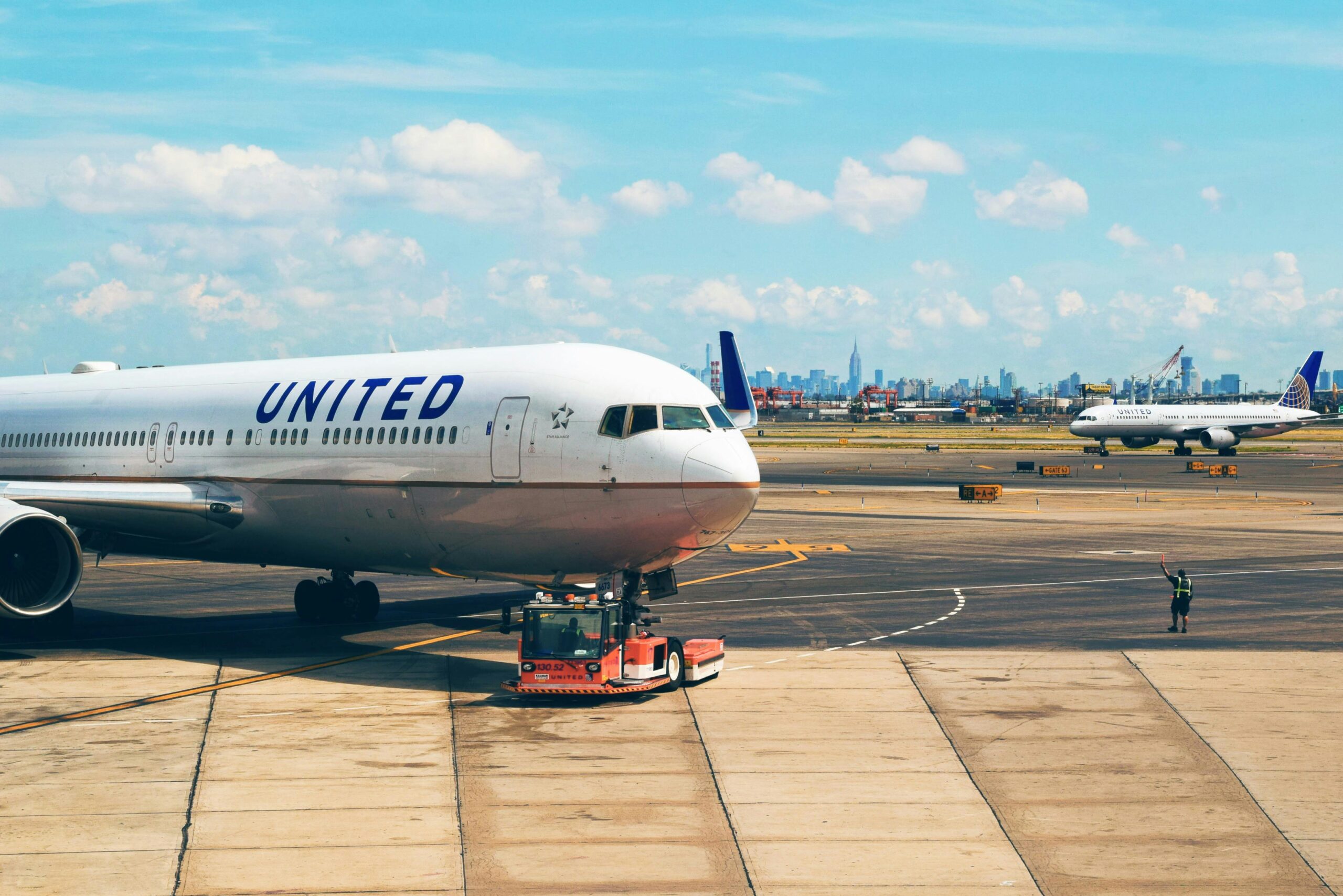

United Airlines didn’t just stop at American Airlines for a potential merger deal involving one of its biggest competitors. It also tested the waters with Delta, too.
According to a new report by the Wall Street Journal, United CEO Scott Kirby allegedly approached Delta’s executive leadership team about consolidating and creating the most powerful airline on the planet.
The Journal reports that Kirby phoned up Delta CEO Ed Bastian last year to discuss joining forces. Those talks, according to sources familiar with them, didn’t get very far.
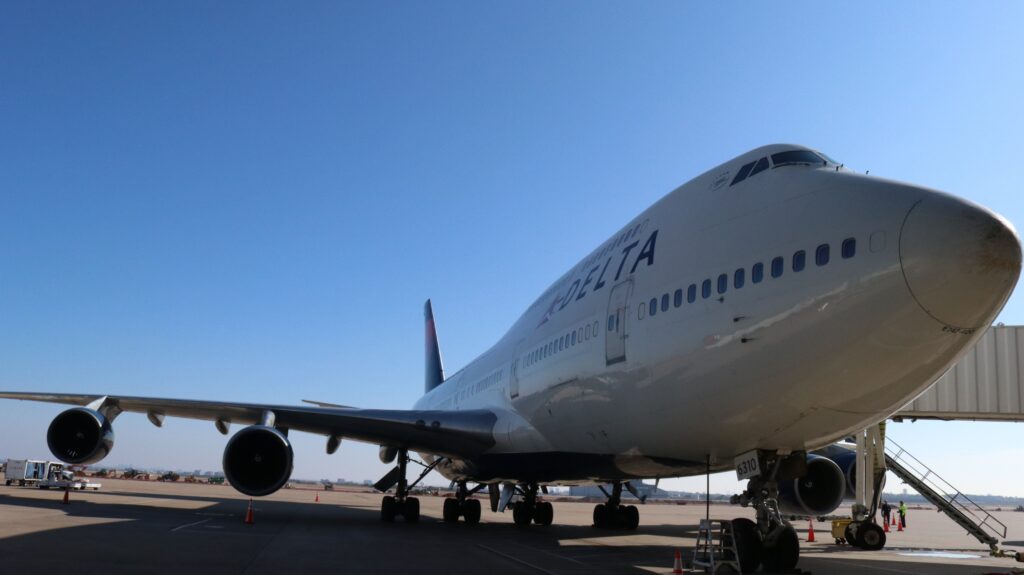
Still, Delta leadership discussed the proposal, WSJ reports, as part of due diligence and to evaluate if there were potential benefits to a merger.
United Airlines has made these overtures before
Both United and Delta are the two most valuable carriers in the U.S., and their potential marriage would’ve created a super airline the likes of which hasn’t been seen in more-than a half-century.
It also would’ve been a minefield of federal regulations and antitrust rules to navigate that would’ve taken years to untangle.
Similar hurdles were mentioned when Kirby reportedly contacted another competitor about merging: American Airlines.
Kirby had discussed a United-American merger with President Donald Trump and Transportation Secretary Sean Duffy during a meeting held in February of this year, according to reports.
Read More: Airfare prices will remain high even if fuel prices drop, Delta CEO says
In April, Rabble News reported that American Airlines rebuffed those advances, which it called both bad for consumers and competition in the industry.
“While changes in the broader airline marketplace may be necessary, a combination with United would be negative for competition and for consumers, and therefore inconsistent with our understanding of the Administration’s philosophy toward the industry and principles of antitrust law,” an American Airlines statement reads in part. “Our focus will remain on executing on our strategic objectives and positioning American to win for the long term.”
In the weeks since that rejection, Kirby has instead shifted his focus away from a one-to-one merger and put his energy toward expanding one of the airline’s existing relationships.
Appearing last month on CNN’s “Quest Means Business” with Richard Quest, Kirby discussed the rejected merger idea and said United would be looking to increase its relationship with JetBlue.
Last year, United and JetBlue announced a partnership and co-branding called “Blue Sky,” a shared loyalty program that allows passengers to earn and use miles accumulated on either airline, get more flight options by tapping in to both airline’s service offerings, and take advantage of acquired loyalty status by receiving reciprocal perks on either airline.
It’s a strategic move for United as it hopes to increase its presence in and around New York City.
JetBlue already has a solid foothold at John F. Kennedy International Airport, as well as at Newark and LaGuardia—the latter of which will have an ever larger JetBlue presence in 2027 after the airline was awarded the former slots owned by Spirit Airlines.
Kirby said he believed JetBlue has a great company culture and “customer DNA” that is similar to United, but as for expanding the partnership into a full-blown merger like those offered to United and American, Kirby has called that idea “idiotic” and “mathematically not doable.”
Read More: Supersonic commercial jets could return to the skies
Scott Kirby has never been one to shy away from thinking outside the box, and his continued efforts to beef up United is probably the kind of proactive leadership you’d want from your chief executive officer.
With fuel prices still soaring, consumers re-calibrating their travel plans, and more Americans opting to stay closer to home for their summer vacations, it’s a very difficult time to be an airline.
That being said, consumers will benefit from the continued competition and rivalries between the U.S. airline industry’s biggest players. With industry disruptor Spirit being sunsetted earlier this year, there are fewer airlines looking to undercut the “Big Three” of Delta, United and American.
Consumers should hope that the “Big Three” remains a triumvirate and doesn’t consolidate any time soon.
For more stories like this, follow Rabble News on Instagram and Facebook.
