
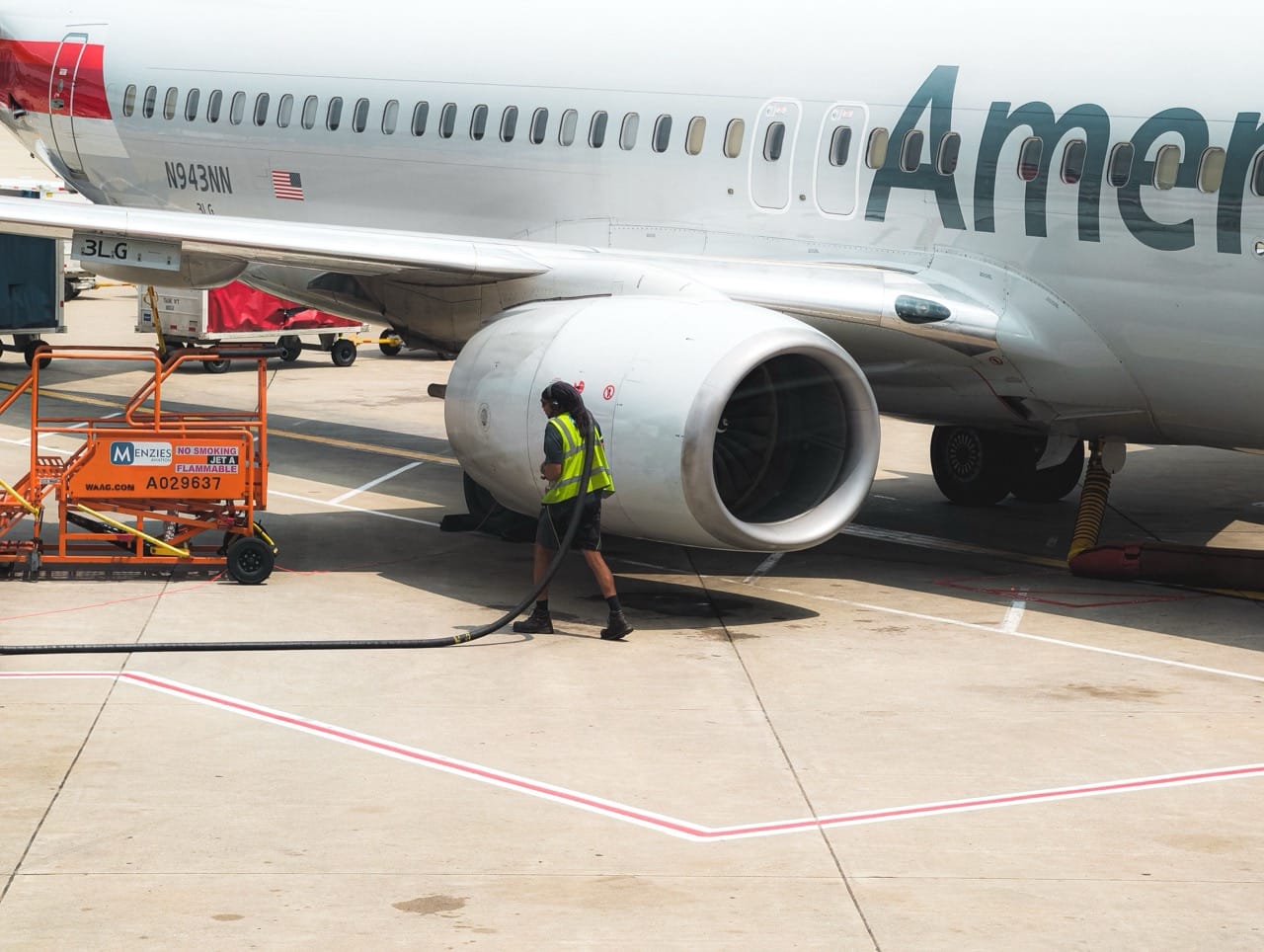

Recent data shows that jet fuel prices are up more than 100% since this time last year, and the impact has been most pronounced in recent months following escalating conflicts in the Middle East, including between the U.S. and Iran.
According to Eurocontrol, an international organization that deals with air traffic management across Europe, the price of jet fuel is 71% higher now than the days before the U.S. began its aggressive military campaign in Iran.
These rising fuel prices have largely contributed to increased prices of airfare for consumers.
Read More:Spirit Airlines given OK to sell remaining aircraft fleet
Points Path, a browser extension that provides help in maximizing airline rewards, says domestic fall airfares are about 39% higher than last year.
Essentially, airlines are passing on the rising fuel prices to consumers.
“Fuel prices are up due to ongoing conflicts in the Middle East that are disrupting fuel exports,” said Points Path Managing Editor Jennifer Yellin. “[But] traveler demand for flights hasn’t slowed down, either, so airlines are able to pass on the higher cost of fuel to passengers as well as get away with charging higher fares.”
Yellin also noted that some airlines, including United and American, are cutting capacity in December, which is typically a very high-demand month for airlines. Typically airlines do that to protect their bottom line, meaning discount airfare will be scarce this holiday season.
Airlines plan to pass fuel prices to consumers… indefinitely
During a recent conference with investors, United Airlines Chief Financial Officer Michael Leskinen said he expects the company will pass 100% of those rising fuel prices onto customers over time.
“Jet fuel price gets passed through with a lag. Period,” Leskinen said earlier this month at Morgan Stanley’s 14th Annual Laguna Conference.
That “lag” is the natural delay that comes from tickets that have already been sold prior to the price surge, he said.
“We’ve got about 35% of our tickets booked already in the fourth quarter, so you can’t go back and re-price those tickets, so there’s a lag,” he added. “There is nothing that is changing that causes us to not be able to pass through 100% [of the rising fuel costs] with that lag.”
Leskinen also added that demand for flights is “incredibly resilient,” and argued that the industry has previously priced its airfare when targeting the “lowest common denominator.”
But now, at least in the view of United Airlines, consumer spending habits have changed.
“The consumer has disposable income and wants to spend that on experiences,” Leskinen said. “So, the industry, to maintain profitability, has had to push through some price to offset rising fuel prices. I wouldn’t say to our surprise, it was our expectation, but it’s proven out that demand is incredibly resilient.”
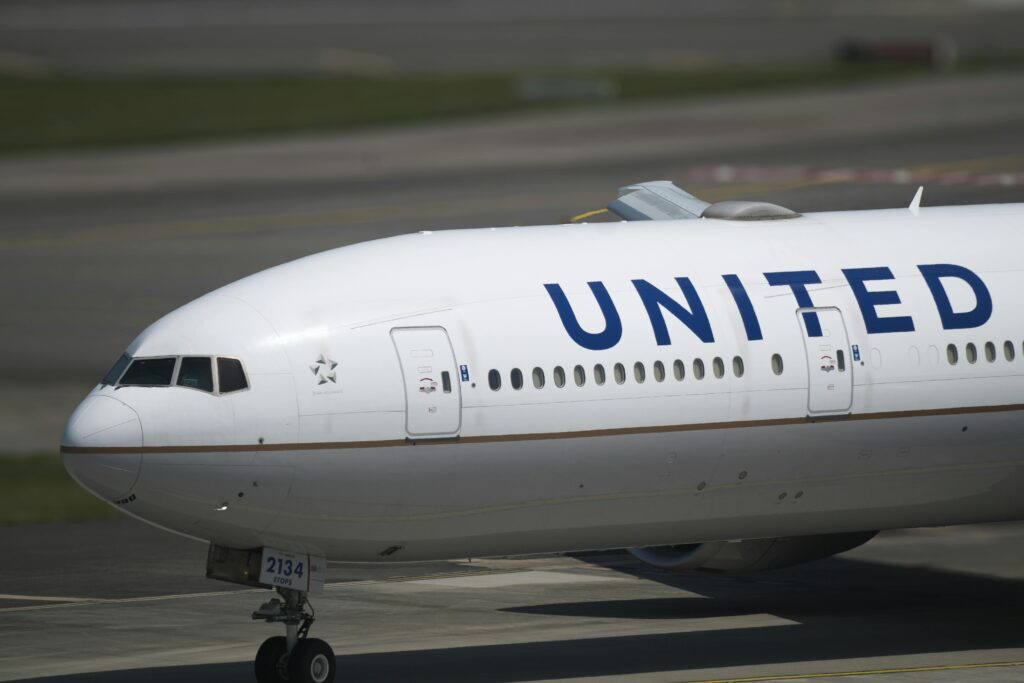
He described the average consumer as being more sophisticated than in previous decades, arguing that travelers will be willing to pay more for airfare and pay even more for add-ons like premium seats and on-flight WiFi.
He also argued that customers can absorb higher fares because airline tickets still represent a relatively small share of overall travel costs compared with expenses such as hotels and other parts of a trip.
“Uber prices to and from the airport often cost more than the airfare,” Leskinen argued. “The percentage of the trip cost that is dedicated to airfare has shrunk over the years because this industry has often competed in irrational ways.”
Editor’s Note: I’ve personally never experienced a rideshare price that was even close to higher than the price of airfare. And, unlike air travel, there are actual alternatives for getting to and from the airport, including public transit, airport shuttles or simply asking a loved one for a ride.
All in all, United and other airlines are saying the quiet part out loud: fuel prices are a convenient reason to raise the price of airfare, something the industry believes has been underpriced for years (another reason Spirit’s demise has been bad for the consumer).
In July, Delta CEO Ed Bastian said essentially the same thing.
As long as demand for airfare remains high, and as long as a competitor doesn’t swoop in to undercut them, these more expensive flights are likely here to stay.
Read More:What the Brightline bankruptcy means for current riders and Las Vegas plans
I don’t agree when Leskinen says the average consumer has more disposable income, as proven by “incredibly resilient” demand.
Credit card debt has soared past $1.2 trillion, the price of rent, groceries, utilities and gasoline remains high, meanwhile income-adjusted disposable income remains relatively flat, according to CNN.
If anything, one could argue that the average American is spending money on experiences or vacations because they’ve been priced out of larger purchases like home-buying and are living with the day-to-day stress of a potential recession. It’s an economic phenomena known as the “lipstick effect.”
Just because the consumers are willing to spend more now, doesn’t necessarily mean they’re going to be willing to pay those prices forever.
But what do I know?
To read the full transcript of Leskinen’s comments during the Morgan Stanley conference, click here.
For more stories like this, follow Rabble News on Instagram and Facebook.
