
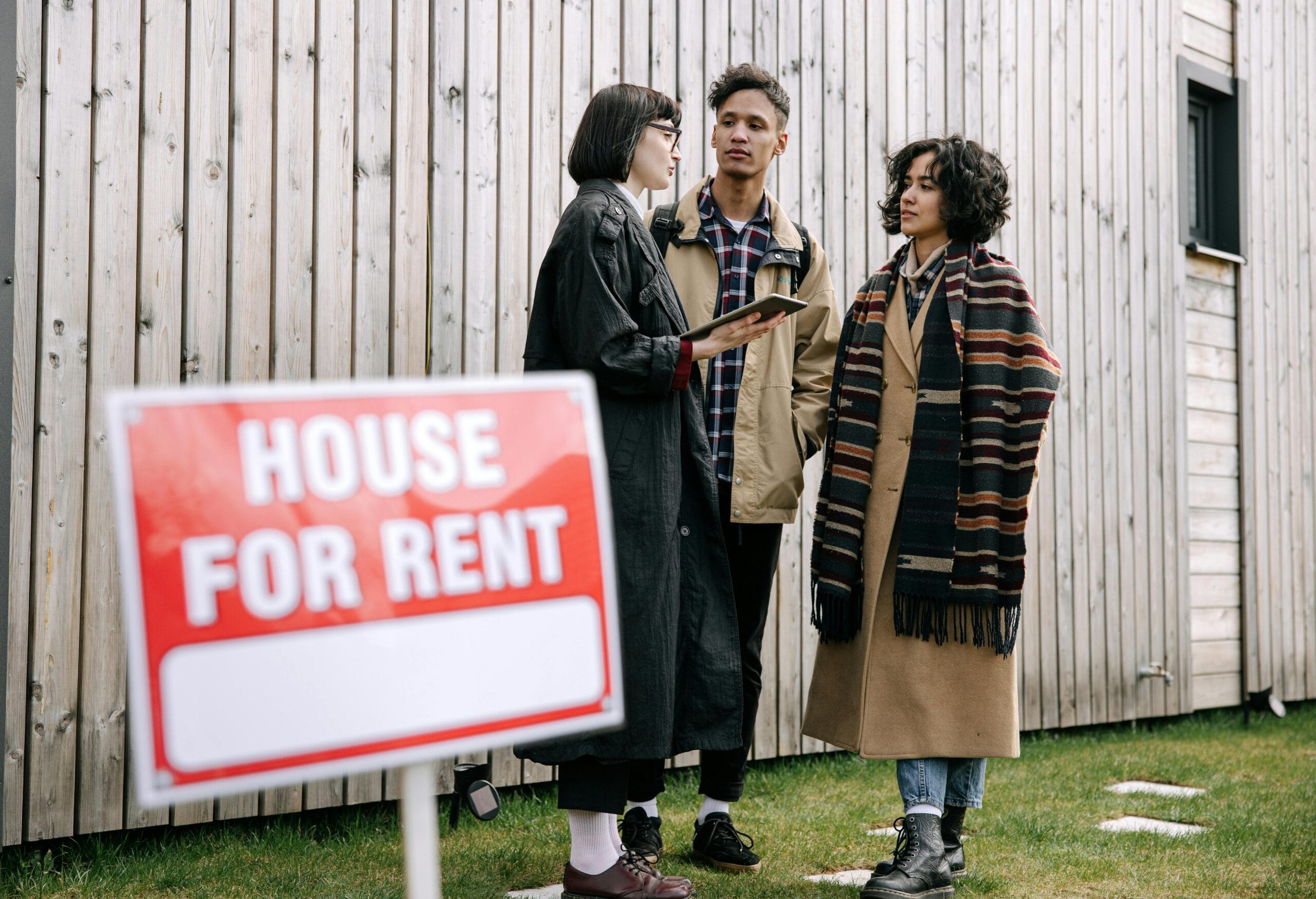

In news that will come as a surprise to almost nobody, new research shows that renters are benefiting greatly when there are more units on the market.
A new report released by Zillow shows that cities that have been building new housing aggressively are seeing major drops in rental prices and increased competition among landlords who now have to find new ways to entice renters.
The new report, posted on Zillow’s Front Porch news site, shows that rental vacancy rates have increased from 5.6% in 2021, to 7.3% today. While that doesn’t seem like much, Zillow describes it as a “meaningful shift,” and a direct result of greater rental supply.
Many renters are no longer finding themselves desperate to sign a lease before its off the market.
“Where a desirable unit might once have drawn a dozen applicants in a weekend, today’s renter has the breathing room to weigh options, negotiate terms and take their time,” Zillow writes. “It’s also a clear example of what affordability relief looks like in practice.”
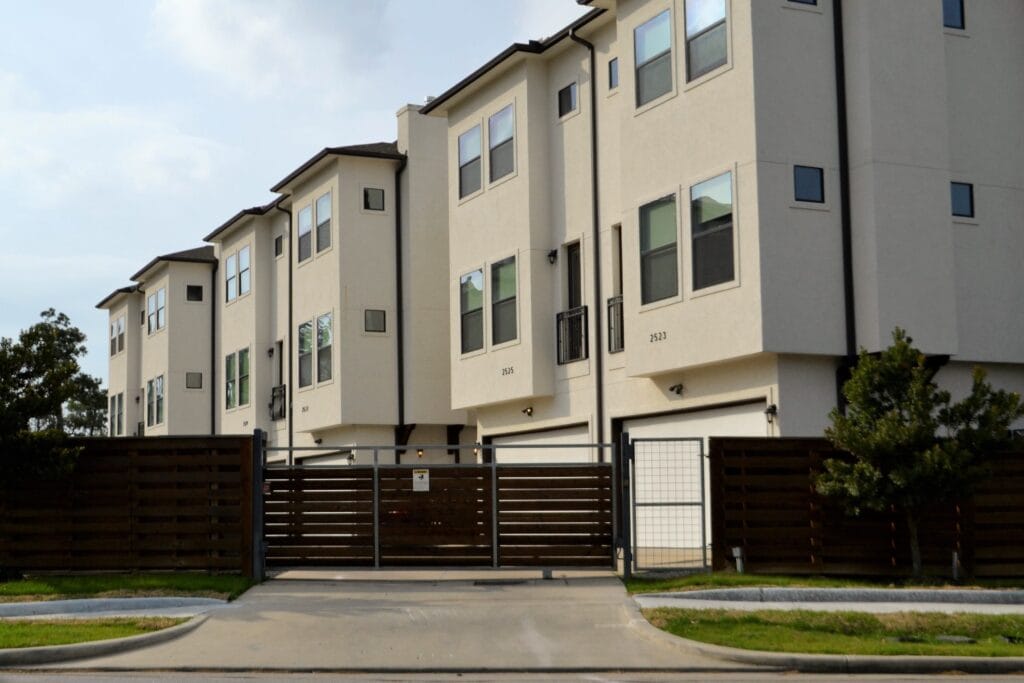
Zillow data shows that property managers are also offering more perks than ever to try and get their units rented.
Of all the rentals listed on the housing platform, nearly 40% this spring are listed with a “concession,” which can be either a free month of rent, waived fees or discounts related to the cost of moving in. Zillow says that 40% figure of concession-tied listings is the highest its ever record for this time of year.
Renters don’t have to settle this spring … with more supply on the market than in decades, there are real choices out there — and real room to negotiate on price, perks and terms. Renters are in a position to push for a better deal, and property managers are ready to give them one.”
Zillow Senior Economist Kara Ng
The word “abundance” is used often when discussing skyrocketing housing costs, and is a major point of emphasis for urbanists who want to increase housing supply and bring prices down with it.
Read More: Americans are rethinking their summer travel plans as prices soar
Many cities and states have enacted laws meant to encourage (or force) development in communities where construction and development has stalled. Last year, California Gov. Gavin Newsom signed several bills into law aiming to cut through the red tape that often acts as a barrier of new housing, including revamping environmental review laws and streamlining permitting and approvals.
Other bills, including California Senate Bill 79, which goes into effect this summer, have seized some local control over zoning and development to allow for faster and more plentiful building.
California, however, is not at the epicenter of the plunging prices that Zillow has tracked.
Here’s where rental prices are falling
The primary rental price drops can be found in the “Sun Belt” states where building has been markedly more aggressive.
Denver, Charlotte, Dallas, Austin and Nashville all saw new apartment completions surge in recent years, and now all five top the list of markets where property managers are offering more perks and concessions to get them rented.
“In these cities, supply has outpaced renter demand and renters are reaping the benefits,” Zillow writes.
Rental prices in Zillow’s hottest markets—New York City, San Francisco, Los Angeles, Chicago, and Providence, Rhode Island—are still high, units are hotly contested and landlords don’t need to work as hard to get people to sign a lease.
Read More: These are the most expensive ballparks for a beer and a hotdog in 2026
For property managers who are now finding themselves having to compete for tenants, Zillow has a few tips in addition to discounted fees and free rent. Data shows that renters want to see fees and lease terms up-front, and more than half of renters demand a private tour before they’re willing to lock in a long-term deal.
Zillow says anyone using its platform and attempting to get their units rented should list any concessions they are offering and use the service’s instant touring function, which allows prospective renters to schedule their own tours, either in-person or virtually.
For more stories like this, follow Rabble News on Instagram and Facebook.
