
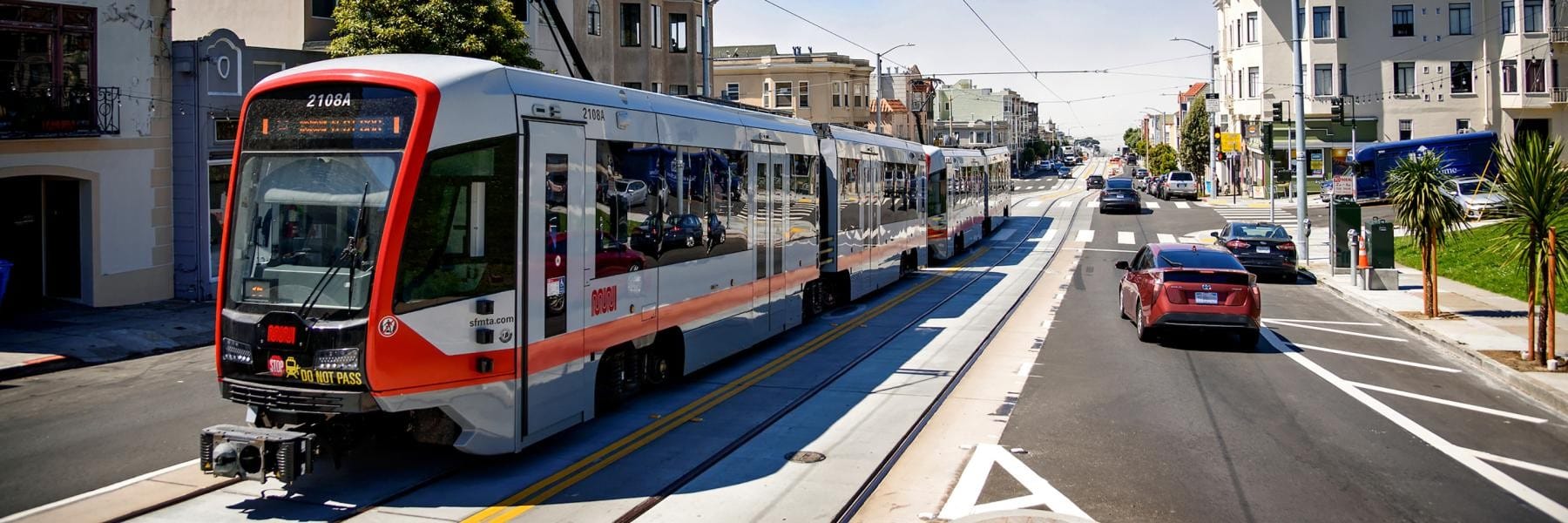

Extreme fatigue is believed to have played a major role in a California train crash earlier this summer.
Happening on the San Francisco Municipal Railway, aka Muni, viral video shared to social media showed the operator of a light-rail train appearing to fall asleep just seconds before crashing into the back of another train.
The crash happened on the morning of July 31 in the Parkside neighborhood of San Francisco along the L Taraval line, officials confirm to Rabble News.
Two passengers were on the train that caused the crash, officials said. They disembarked after the crash and were uninjured.
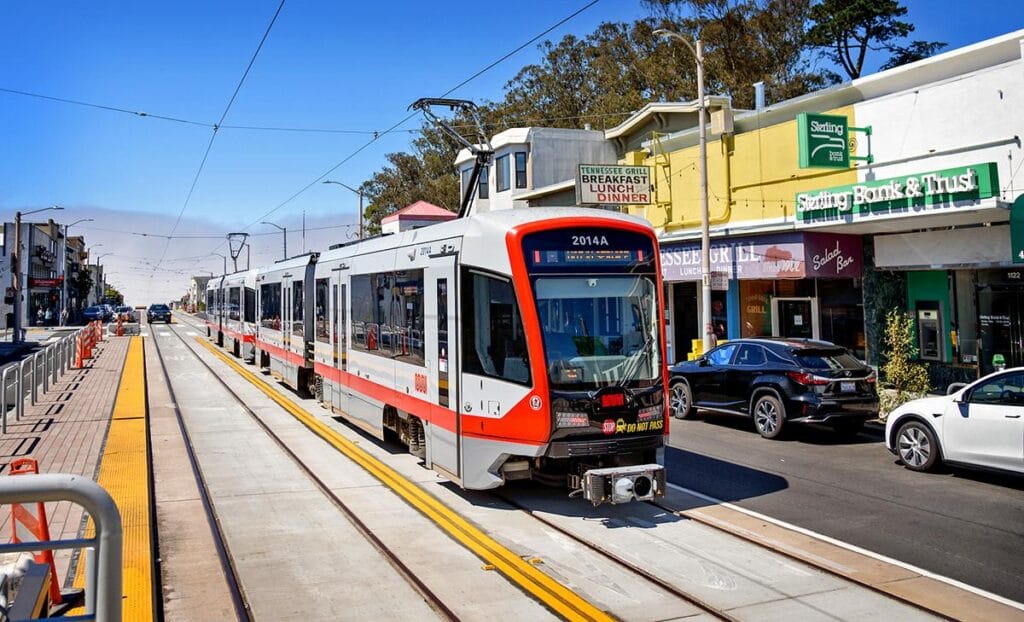
Officials from the San Francisco Municipal Transportation Agency were quick to assign blame for the crash, pointing the finger at “operator error caused by fatigue.”
“This type of incident is simply unacceptable,” said SFMTA Director of Transportation Julie Kirschbaum. “The safety of our passengers and operators is our most important priority, and we are grateful that no one was injured. When the investigation is completed, we will move quickly to take appropriate action based on the final determination.”
The unidentified driver has been taken off the road while the investigation is underway.
Transit worker fatigue is national safety concern
While Kirschbaum called the incident unacceptable, transit incidents related to driver fatigue have become more common in recent years.
In April, the Department of Transportation warned that worker fatigue had been identified as “an important safety concern within the transit industry.”
Federal Transit Administration data showed that 133 instances of “safety events” in which transit work fatigue was identified as a factor, most of which have occured in recent years.
“The majority (73) of those fatigue-related events have occurred since the beginning of 2022, marking a sharp uptick in the number of events in recent years,” the FTA bulletin reads. “Since 2014, these 133 transit worker fatigue-related safety events have led to one fatality, 149 injuries, and $12.3M in estimated property damages.”
The FTA released a list of recommendations to reduce the risk of worker fatigue, including developing or enhancing a Fatigue Risk Management Program to address the issue, adjust schedules or improve worker training.
Read More: L.A. Mayoral candidate vows to investigate beleaguered LAX People Mover
Transit unions have regularly raised concerns about worker fatigue, which they’ve identified as one of the largest hazards of the job.
The Amalgamated Transit Union, which represents employees in the public transit industry in the United States and Canada, has aired complaints from drivers about long workdays, staffing shortages, split shifts and insufficient recovery time between shifts that could lead to potentially dangerous fatigue and burnout.
Transit operators feel pressure to work these long shifts out of fear of potentially losing future work, the ATU argues.
California has specific rules for intrastate bus drivers and modified limousine drivers regarding driving and working hours. Drivers are generally limited to 10 hours behind the wheel after receiving the required off-duty period, but they can remain on duty for as long as 15 hours before they are prohibited from driving again.
That means potentially long workdays, regardless if drivers are actively on the road.
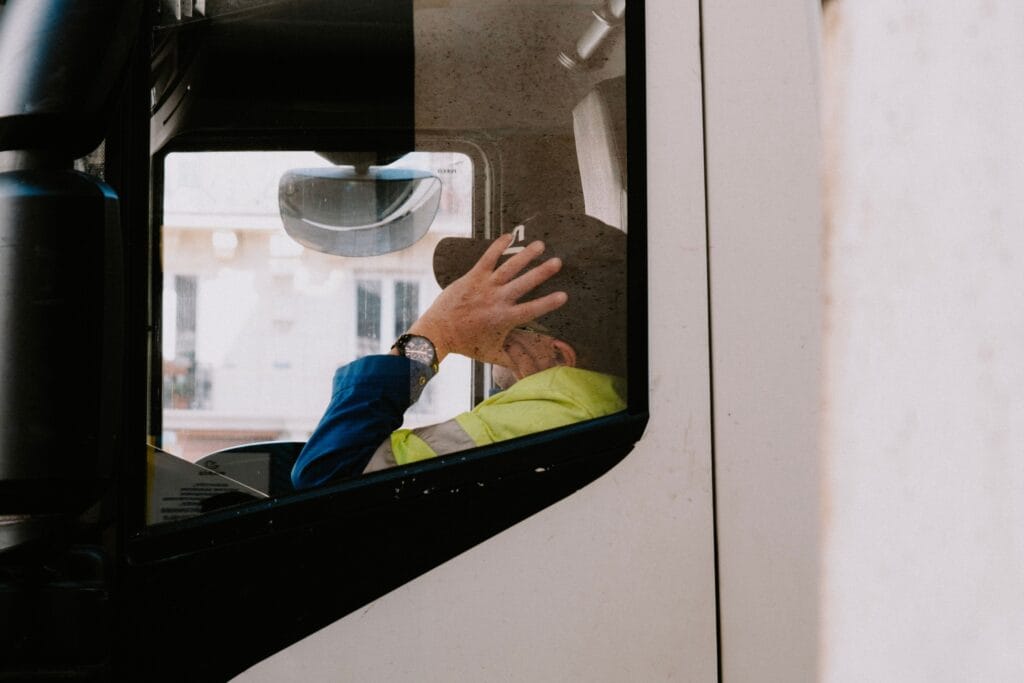
But while that applies to a certain group of bus drivers and operators, SF Muni has its own scheduling requirements established through a collective bargaining agreement with its workers.
SF Muni has rules meant to avoid operator fatigue
SF Muni’s union contract limits the span between the beginning and end of a scheduled workday to 12 hours for full-time operators and 13 hours for part-time operators. That span can include breaks during split shifts.
However, the union contract specifies that drivers cannot be scheduled or asked to drive again within eight hours of their last shift. With sleep researchers often arguing for a minimum of at least seven hours of sleep per night, that doesn’t leave much buffer between shifts for regular human activities like eating, showering or commuting.
Read More: San Francisco transit ridership surges to post-pandemic highs
It’s important to note that SFMTA officials did not release the details of this particular driver’s shift. A worst-case-scenario for the light-rail operator would’ve been a 12-hour workday the previous day followed by only eight hours of off-time before their next shift—but there’s been no indication of that taking place.
Still, unions have voiced their concerns about employee fatigue, and federal regulators have found those concerns to have merit.
For its part, SFMTA says it has increased random video reviews to ensure operators are getting their required rest and “proactively address fatigue.” The agency says its staff regularly receives training and memos to remind workers of its policies regarding fatigue and operator wellness to prevent further safety incidents.
SFMTA says it is working quickly to conclude the investigation into the July 31 crash. This is the second time in the last 10 months that an SF Muni crash was attributed to a sleeping operator.
For more stories like this, follow Rabble News on Instagram and Facebook.
