
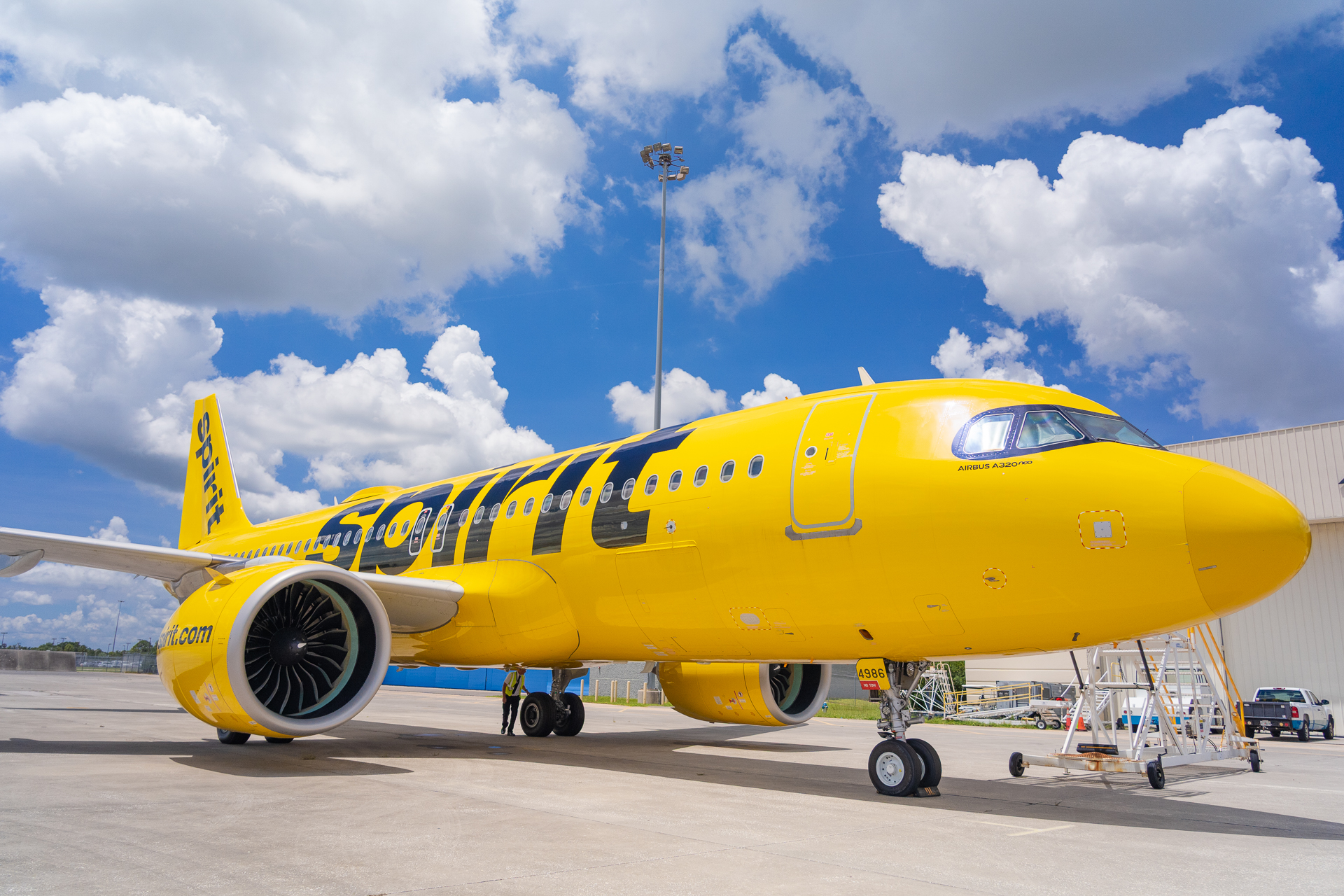

A massive cache of corporate and customer service data from now-defunct Spirit Airlines has been sold for $10 million.
According to multiple reports, the buyer was Google, which outbid other tech companies for the Spirit Airlines data in liquidation court.
A representative from Google confirmed the purchase to Rabble News and said the purpose of the big spend is to use the data for improving its products and training its Artificial Intelligence systems.
“We acquired part of an enterprise dataset from Spirit Airlines, which can be helpful in improving our products and AI models. We will not receive any personal information from this dataset.”
Google spokesperson
Specifically, the $10 million purchase comes with Spirit’s emails, chats and customer complaints, as well as operational data related to the airline’s finances, loyalty program and website analytics, according to Travel Weekly.
The deal includes tens of millions of emails and as much as 500 million Microsoft Teams chats, according to Axios.
Spirit Airlines was often the butt of jokes regarding its bare-bones amenities and various fees for perks that are usually free on other airlines. I wouldn’t be surprised if the amount of complaints and customer service inquiries was a staggering figure.
If you ever complained to Spirit about being charged to pick your seat, having your party split up across the cabin, or getting charged extra for not prepaying for a checked bag—it now appears Google will have that data.
But, let’s be honest, they probably have most of your data anyway.

Google tells Travel Weekly that the data it’s acquiring from the Spirit Airlines purchase will be scrubbed of any “personally identifiable information by a third party” before the transfer is completed.
- (Worth noting: the line about the data being scrubbed by a third party was absent from the statement provided to Rabble News)
Just as it became a powerhouse in the search industry, Google is already among the biggest names in the artificial intelligence space thanks to its decades’ head-start on the infrastructure and technological tools at its disposal.
Its various AI technologies include Google Gemini software and systems and its DeepMind research laboratory.
Read More: Newark, Regan airports’ outdated radar tech gets upgrade
Court filings showed that Google outbid a $7.5 million offer from Mercor, another company in the AI space, which—if you’ve recently looked for work on LinkedIn—pays top dollar to hire real humans to help train AI systems.
The final sale will need to be approved by a federal judge before it can be completed.
When did Spirit Airlines collapse?
On May 2, 2026, the low-cost carrier officially sunsetted service after 33 years under the Spirit banner.
The company began the liquidation process after several consecutive years of financial turmoil, two bankruptcy filings, and one failed government bailout.
Alongside this operational and customer data, the most lucrative of Spirit’s assets included designated slots at New York area airports.
Earlier this month, JetBlue was awarded Spirit’s coveted spots at LaGuardia for around $58.5 million. Spirit also had several slots at Newark International Airport, although those have yet to be sold to another airline, but will likely command a high price tag.
Spirit also owns a fleet of aircraft, engines, parts and other assets that likely won’t command as much.
Read More: Feds award Amtrak billions for new trains and Midwest infrastructure
Spirit Airlines, like the rest of the travel and transportation industry, was ravaged by soaring oil prices brought on by the U.S. war with Iran, as well as shifting consumer spending due to rising inflation and a growing affordability crisis. Several low-cost carriers met with the Federal Government earlier this year to discuss their current financial health and challenges as their particular business sector faces its own potential collapse.
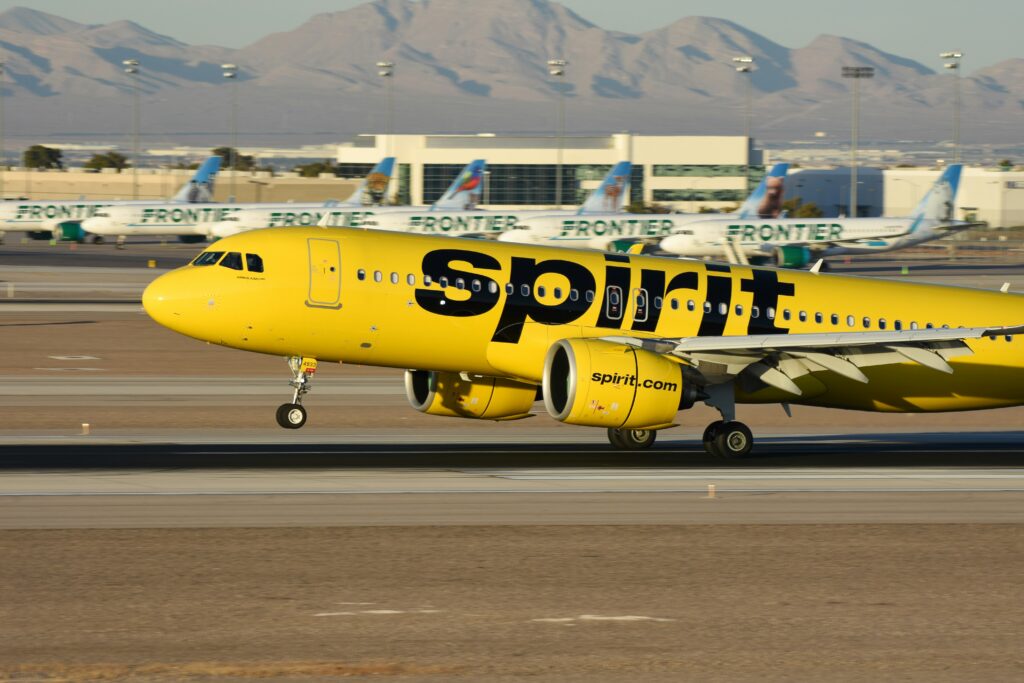
As Spirit exited airports across the country, many of its former competitors have begun moving in to take their place.
The loss of Spirit is expected to have major impacts for consumers, which benefited from Spirit’s lower-pricing model, regardless of whether they flew in the yellow jets. In the immediate aftermath of the low-cost carrier’s collapse, airline tickets reportedly increased across much of the country.
Competition, as they say, is good for the consumer—even if they still might send a frustrated email or two.
For more stories like this, follow Rabble News on Instagram and Facebook.
