
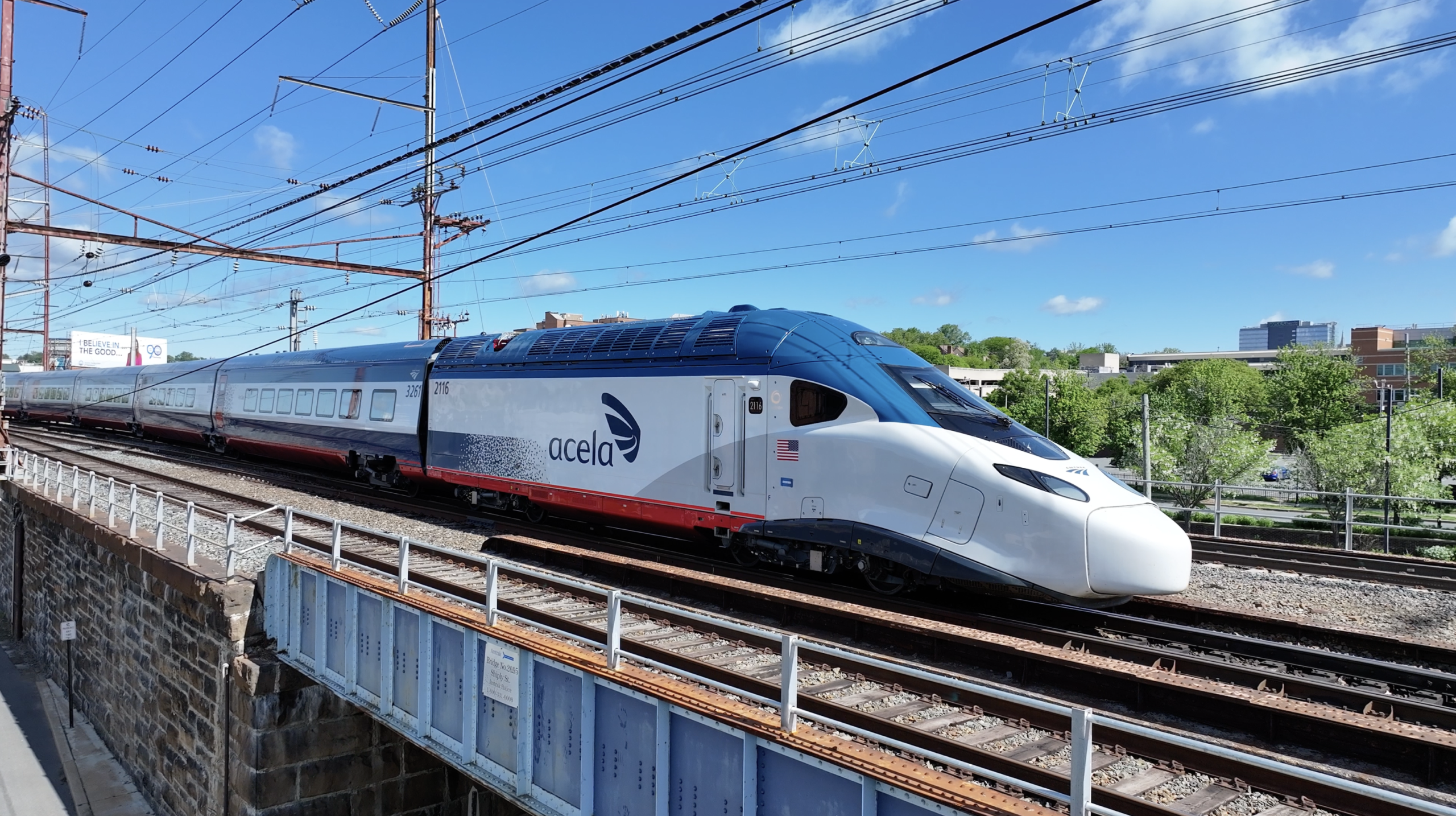

The fastest operating trains in America are proving to be a draw for Amtrak.
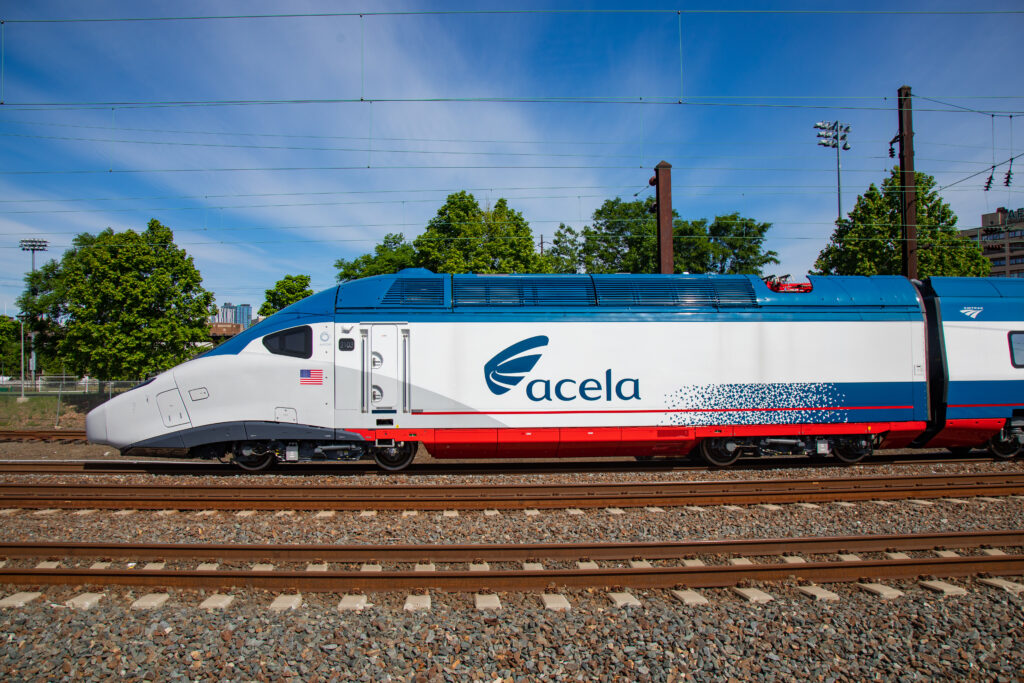
On Friday, Amtrak announced that it had exceeded a major milestone of more than one million customer trips on its NextGen Acela fleet, which operates in the Northeast Corridor, the busiest passenger railroad in the country.
The NextGen Acela trains connect the largest city centers on the East Coast and New England, with Washington D.C. as its southernmost service hub and Boston as its northern terminus. Along the way, these Acela trains make stops in Baltimore, Philadelphia, New York City, New Haven, Connecticut and Newark, New Jersey—among others.
Amtrak President Roger Harris was among the speakers at Washington Union Station Friday to celebrate the passenger milestone.
“Our guests are at the heart of this milestone – one million trips on NextGen Acela is a powerful signal of the demand for world-class passenger rail in America … It’s our joy to celebrate with our customers this Memorial Day Weekend, as you travel and experience the best of high-speed, premium rail.”
Amtrak President Roger Harris
In another noteworthy Amtrak piece of news, Harris, who was at the helm of the passenger railroad during the Acela’s debut last year, will be departing Amtrak at the end of July as part of a “planned transition.”
Read More: Budget crunch means Metrolink’s reduced schedule is here to stay
Harris had also been serving as the de facto chief executive of Amtrak after the abrupt resignation of former CEO Stephen Gardner, who stepped down due to alleged friction with the Trump Administration, which I wrote about at the time for KTLA.com.
Amtrak finds faster trains means more riders
Amtrak officials said the “surging” demand for these NexGen Acela trains has prompted additional departures to give riders more flexibility on the busy Northeast Corridor.
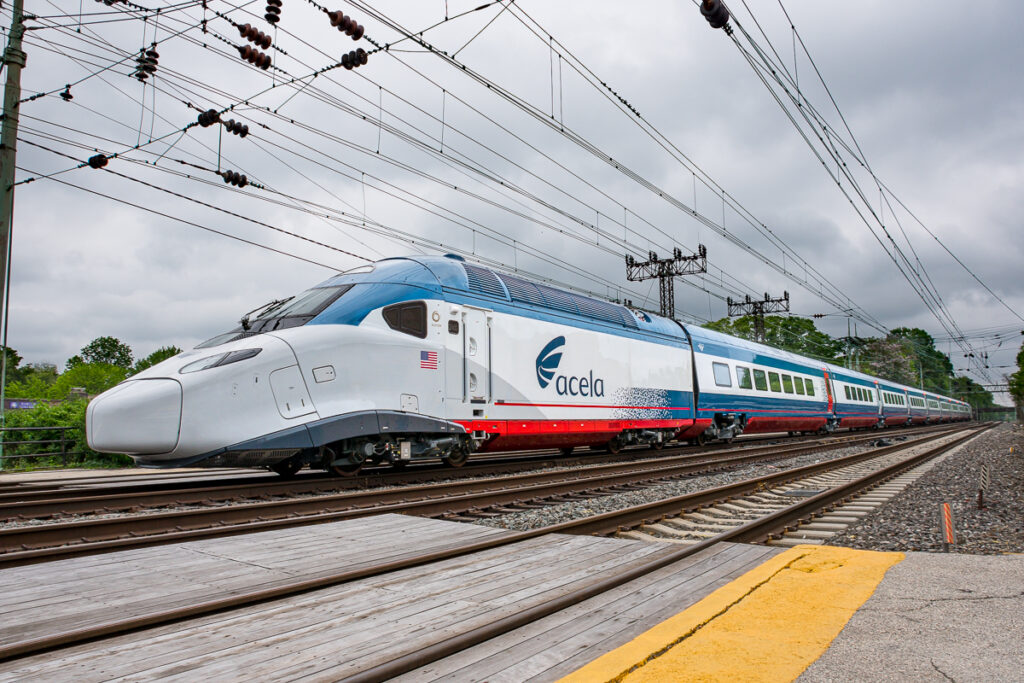
The Acela trains are capable of reaching 160 miles per hour and are 27% larger by capacity than the trains that previously serviced the busy rail corridor before Acela’s debut in August 2025.
These upgraded Acela trains also include free high-speed internet, USB ports and power outlets, and improved dining and beverage service.
Transit advocates have long pointed to improved reliability and speed as potential drivers for increased ridership throughout the U.S. The success of the NextGen Acela shows us that these hunches were likely correct.
The Acela is currently the fastest train on American rails, and when trains are fast, plentiful and on-time, riderships numbers tend to come with them.
Rabble News: What to know about LA Metro’s new D Line extension
The success of the Acela launch is encouraging for the nation’s other, faster train projects.
The California High-Speed Rail project continues to plug away in the Central Valley despite ongoing criticism from the Trump Administration and the reneging of public funds from the U.S. Department of Transportation.
Along the CAHSR’s active construction zones, 58 structures have been completed, 30 are currently underway, and more than 100 miles of guideway are completed or currently under construction. Officials said the first actual railroad ties will be laid later this year along the system’s initial operating segment.
When operational some time in the next decade, those trains will be capable of reaching 220 miles per hour and will take the crown as the fastest trains in North America.
The other high-speed rail project currently underway in California is the Brightline West system which will connect Las Vegas to Southern California.*
- Rancho Cucamonga, specifically, about 40 miles west of downtown Los Angeles.
Those trains will also be capable of exceeding speeds of 200 mph and could conceivably limit the travel time to Las Vegas to roughly two hours.
Even the embattled Brightline railroad system in South Florida, whose future remains in flux due to mounting debts, has seen year over year ridership gains. In 2025, Brightline had 3.1 million passengers, a 14% jump from the previous years.
Read More: DOT funding $1.1B for railroad crossing safety improvements
Both Brightline systems are owned by the same parent company but technically operate as different businesses; so if the Florida system goes under it doesn’t necessarily mean that the SoCal-to-Vegas bullet train is in trouble.
If the Acela has taught us anything it should be that if you build it (and it’s fast and reliable), they will come.
