

One of Southeast Asia’s most popular tourist destinations has had enough of influencers and content creators.
Bali, Indonesia, has begun detaining visitors who are traveling for the purpose of creating content, be it through brand collaborations, complimentary hotel stays or, simply, unpaid shoots meant to build a portfolio.
According to Asia Lifestyle Magazine, at least 62 foreign nationals were detained in Bali last month for violating the specific terms of their tourist visas, which are meant for vacations and exploration with strict rules prohibiting doing any sort of compensated work.
“Indonesian immigration authorities have drawn a hard line on what constitutes work, and it captures almost everything influencers do,” Benjamin Collins of Asia Lifestyle Magazine writes.
Sponsored social media posts, photography assignments, trading content and exposure for comped accommodations—all of this is now considered “commercial activity” under Indonesian immigration laws, and will require a work permit or a remote worker visa.
The new enforcement comes weeks after the launch of a special immigration task force that has been actively patrolling and targeting violators of these visa restrictions, both in popular tourist and expat destinations, as well as on social media.
“Bali immigration has made clear that unpaid services used for promotion or portfolios may be considered work like activities,'” Collins writes. “The traditional influencer logic, that receiving a free hotel stay rather than a wire transfer keeps everything above board, no longer holds.”
Read More: These are the cheapest cities to visit in 2026
If a tourist creates content that promotes a business or if anything thing of value exchanges hands, even indirectly, an influencer or content creator could find themselves in hot water, with punishment ranging from fines to deportation and being banned from the country in the most serious of cases.
“For anyone building a career around Bali content, or simply planning to return regularly, the stakes are not abstract. A single enforcement action can close the door permanently,” Collins added.
While the enforcement and potential penalties sound (and potentially are) serious, Bali is not outright banning influencers from visiting or creating content, free or otherwise. Indonesian officials say this strict enforcement is meant to clean up a gray area in the immigration process, as well as protect local jobs.
Those interested in visiting Bali and turning the trip into a content opportunity should take the necessary steps to apply for a work permit or remote work visa prior to arriving in Indonesia, rather than applying for a tourist visa upon arrival.
“This is not a temporary surge in enforcement or a public relations gesture. The infrastructure is in place. The task force is operational. The legal interpretation has been stated publicly and applied in practice,” Asia Lifestyle Magazine article reads. “The simplest path forward is the legal one. Apply for the right visa, structure your work correctly, and treat Bali’s immigration rules as what they now clearly are: enforced policy with teeth.”
Bali once called the influencer hotspot
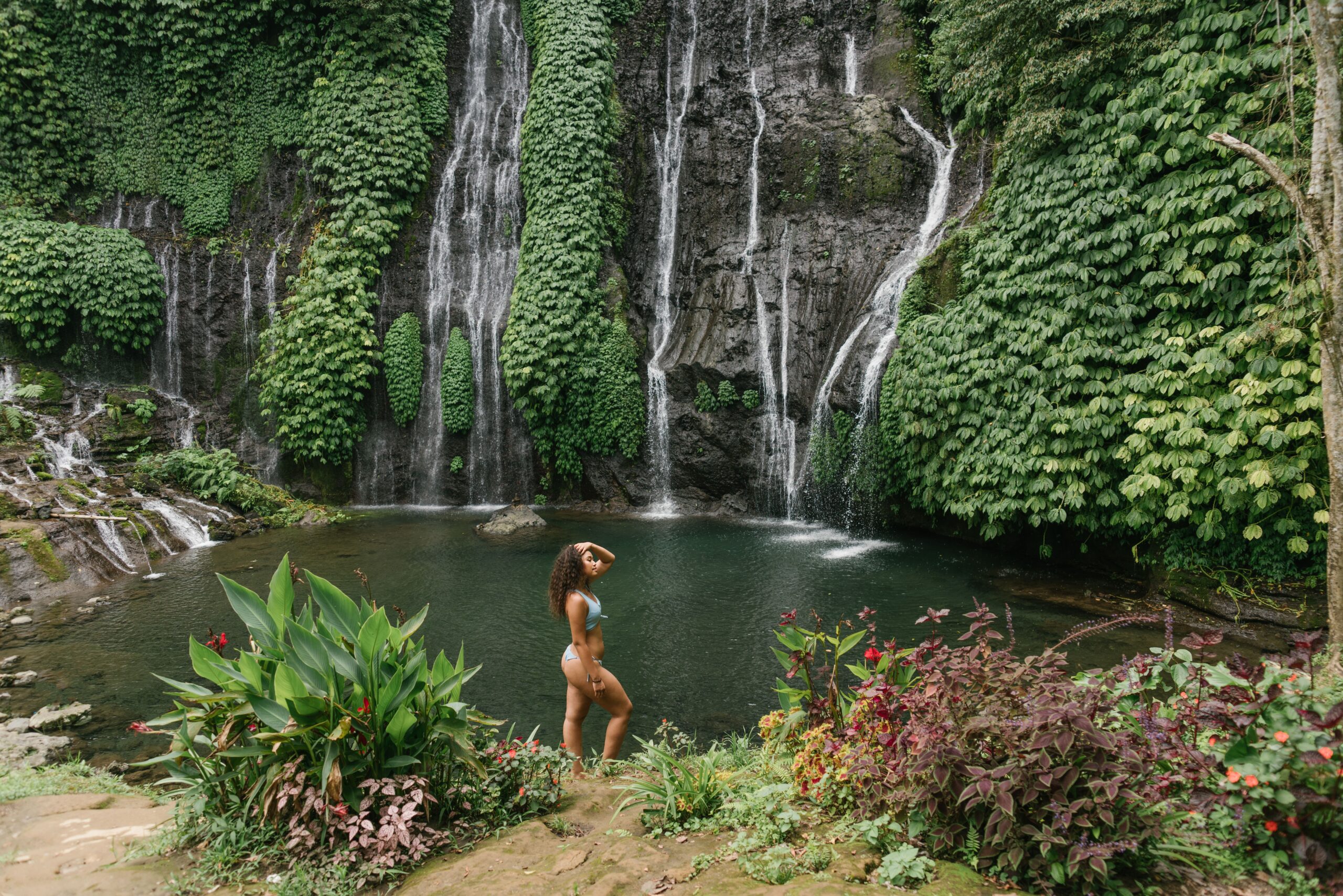
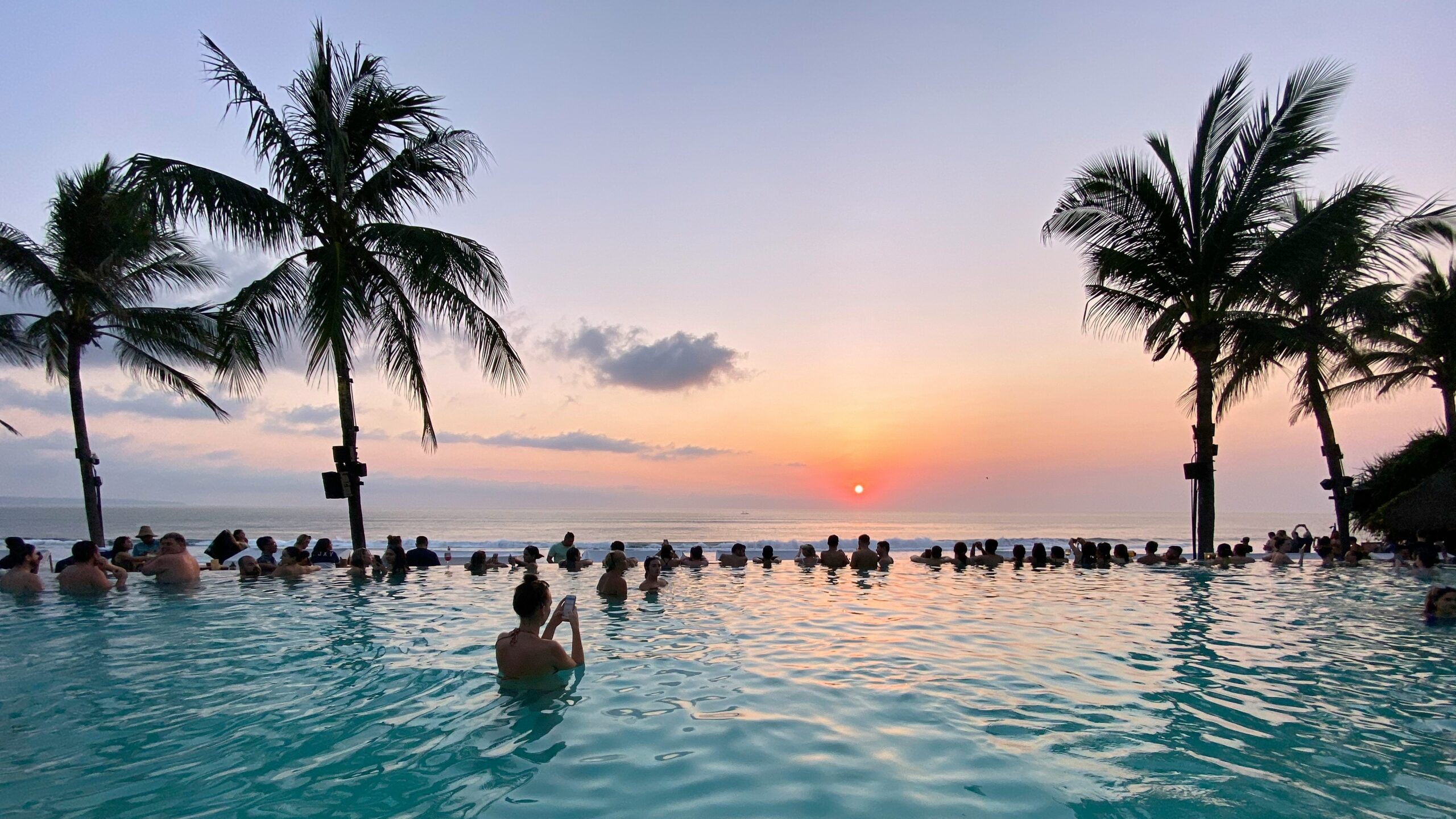
Bali and much of Southeast Asia has become the epicenter for many content creators and wannabe influencers due to its breathtaking landscape dotted with waterfalls, rainforests and beaches, as well as its remarkably affordable prices compared to other major tropical getaways.
Read More: Destination dupes are this year’s biggest travel trend, Expedia says
In 2025, the British newspaper The Times called it the influencer hotspot, with a growing expat community and young 20- and 30-somethings marking neighborhoods as their own influencer “hubs,” replete with yoga studios, spas and bougie restaurants.
Fitness models, influencers and travel bloggers have flocked to Bali due to the glamorous lifestyle one can easily obtain due to the much lower cost of living.
“It’s like a fantasy world. We don’t really cook because it’s so cheap to eat out. It’s so cheap to get your laundry done. You don’t have to lift a finger,” reality TV star Inga Valentiner told the Times last year.
While that lifestyle will likely continue for many of the expats and tourists in Bali, they won’t be able to take advantage of their follower counts to furnish it.
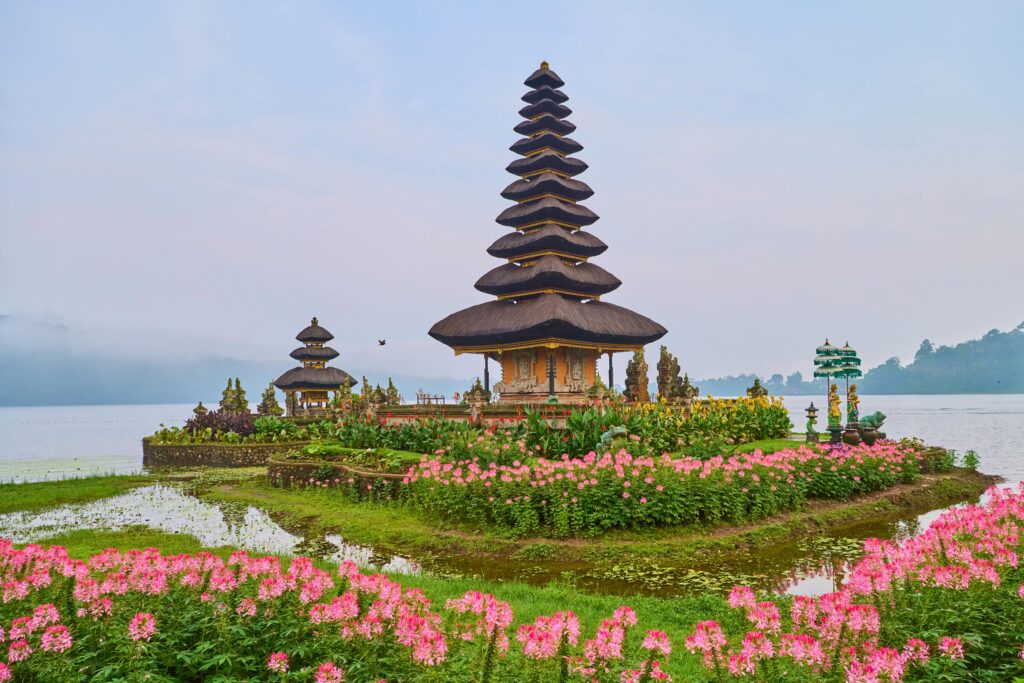
For many residents of the profoundly religious and traditional island, a return to pre-social media norms might be welcomed, in which Bali is treated less like a theme park and more like the rich cultural paradise it is.
