
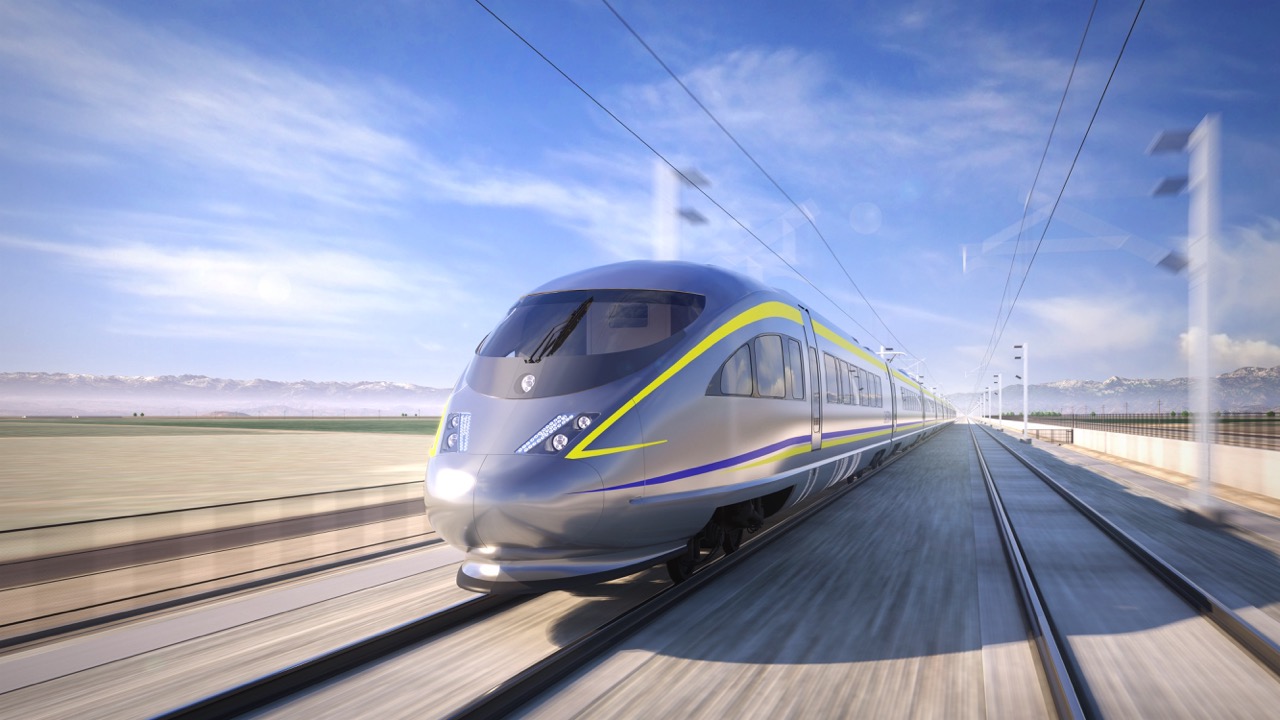

The California High-Speed Rail Authority has given the green light to begin laying more than one-hundred miles of track and rail systems on the nation’s first true high-speed rail system.
The Authority announced on Monday, June 1, that its Board of Directors had approved the launch of the initial phase of the track-laying effort, and had reached a contract agreement with the construction firms chosen to do so.
A group of American construction companies will work together to begin laying track, installing overhead electrical catenary systems, and build out control and communications infrastructure along 119 miles of completed guideway in California’s Central Valley.
Three American construction firms, Kiewit, Stacey Witbeck, and Herzog, were chosen to head the project, which is considered a major, albeit procedural, milestone.
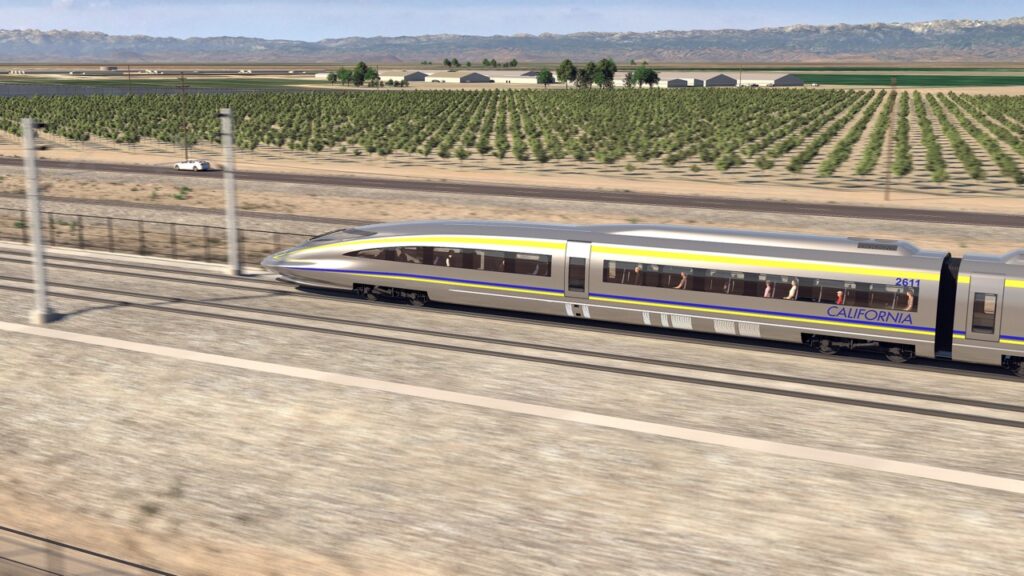
CAHSR CEO Ian Choudri touted Monday’s announcement and the selection of the construction consortium as a flashbulb moment in which “this program transforms from major civil construction into delivering an operating railway.”
“With the railhead track installation complete and many critical rail materials already under contract, we are now accelerating toward installing the first true high-speed rail track ever built in the Western Hemisphere and doing it in a way that delivers for California quickly, and economically,” Choudri said in a statement.
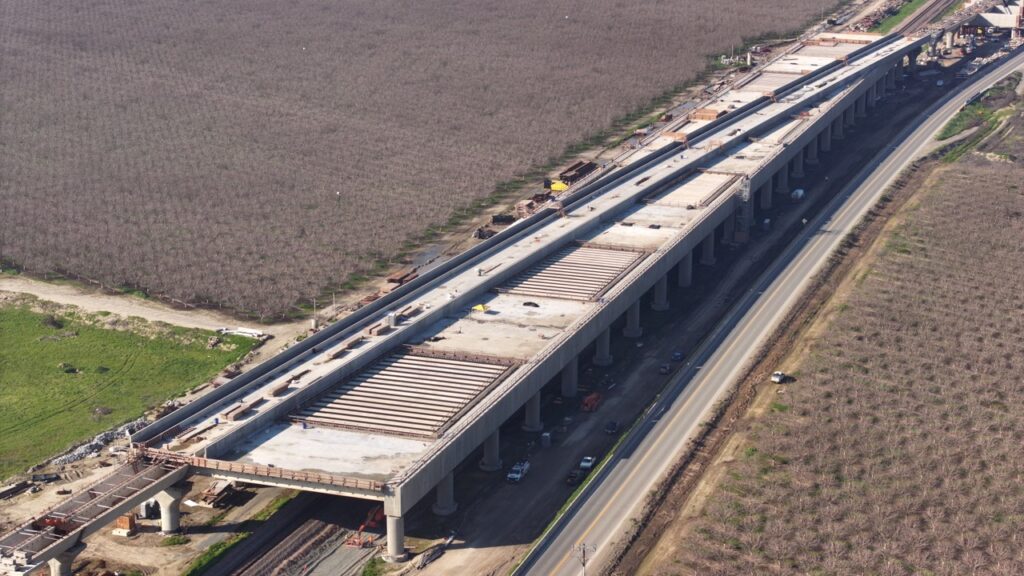
The track and rail systems will be laid within the 119 miles that are currently under construction in the Central Valley, and the contract for that work extends both north and south beyond where construction is currently taking place.
Read More: Amtrak’s high-speed trains have already logged 1 million riders
CAHSR officials said this “phased structure” will allow for track and systems to be operational as soon as civil construction is completed in these segments, allowing for a “seamless transition from guideway construction to electrified high-speed railway installation.”
The awarding of the construction contract to Kiewit, Stacey Witbeck, and Herzog was the result of a monthslong procurement process that began last fall. Authority officials said construction materials with long lead times, including rail, concrete ties and ballast components, are already on order in an attempt to accelerate the project’s timeline. In March, the CAHSR completed a 150-acre railyard and staging area in Kern County that will be used to deliver those materials to construction sites once work begins later this year.
Why hasn’t California High-Speed Rail laid any track yet?
Laying track, often used as a punch line by opponents of the California High-Speed Rail, is actually one of the less tedious and time-consuming aspects of the major infrastructure project. The years of design, land acquisition, utility relocation, pre-construction, environmental clearance and, of course, lawsuits, are considered to be the most time-consuming aspects of the project. Much of that work is already completed or currently under development.
As of Monday, the California High-Speed Rail Authority says there are currently 171 miles of the project under design and active construction between Merced and Bakersfield. That includes 80 miles of guideway that is completed, as well as 60 fully completed structures and 30 that are underway across Madera, Fresno, Kings and Tulare counties.
All but one segment of the project’s “Phase 1” has been environmentally cleared, including the highly anticipated connector between San Francisco and Los Angeles. The remaining portion that has yet to receive full environmental clearance is the southernmost portion of Phase 1, the 33-mile segment between Los Angeles and Anaheim.
Officials for the Authority previously told me they expect that section to be checked off the list soon.
Read More: Upgraded Amtrak trains built and being tested before 2027 debut
The 494-mile Phase 1 of the project has been tentatively slated to open for passengers some time in the early 2030s, although an exact timeline has gotten a bit harder to pin down as the Authority under Choudri has attempted to speed up the process and find temporary workarounds to get it open quicker and cheaper than the worst-case scenario projections.
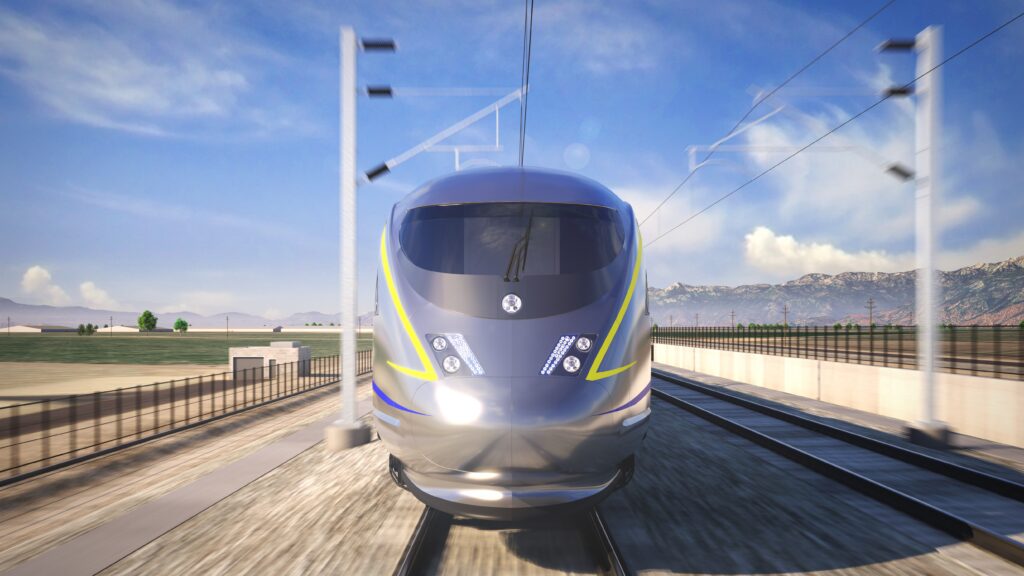
Phase 2 of the project would branch and extend the system to San Diego in the south and Sacramento in the north. There is no timeline for when that would be operational, and officials have previously said existing design elements would likely need to be completely scrapped and redone before work could begin in earnest, as much of the preliminary design work is years old and outdated.
California High-Speed Rail tracks all of its construction progress online at BuildHSR.com, and Californians, transit enthusiasts or government spending watchdogs can visit the site for resources.
For more stories like this, follow Rabble News on Instagram and Facebook.
