
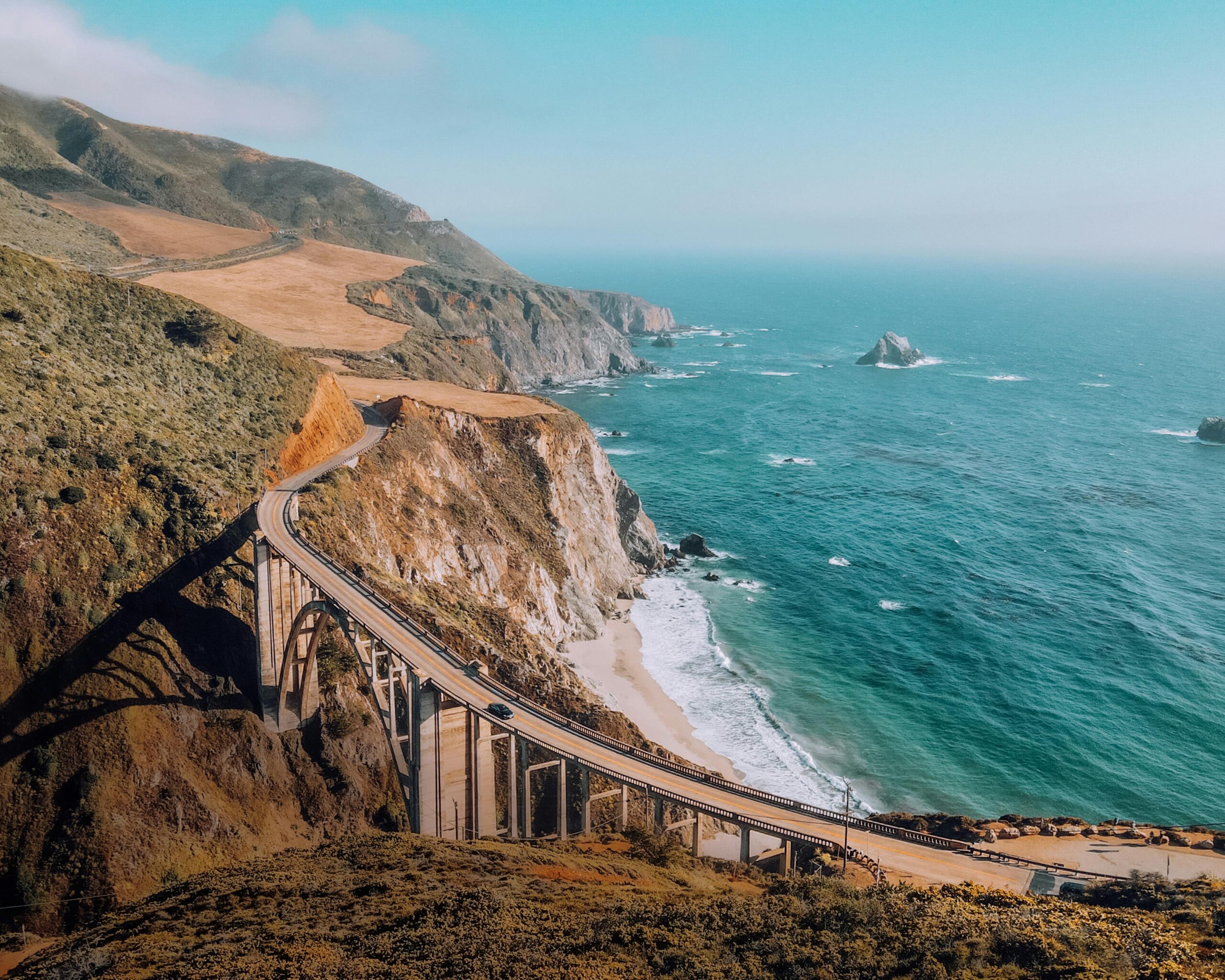

Campers and road-trippers planning a journey along the western edge of the United States have a new resource to navigate the 1,650 miles of the Pacific Coast Highway.
A newly released comprehensive guide details the best campgrounds, historical landmarks and scenic attractions stretching from the rainforests of Washington state to the sunny shores of San Diego.
The camping app and community platform The Dyrt created the guide to help travelers plan their coastal adventures.
Presented by wireless carrier T-Mobile, the itinerary provides a roadmap for navigating the diverse landscapes of the highway. The Dyrt said it designed the guide to be a companion for road-trippers, breaking down the massive journey into manageable segments that highlight regional stops.
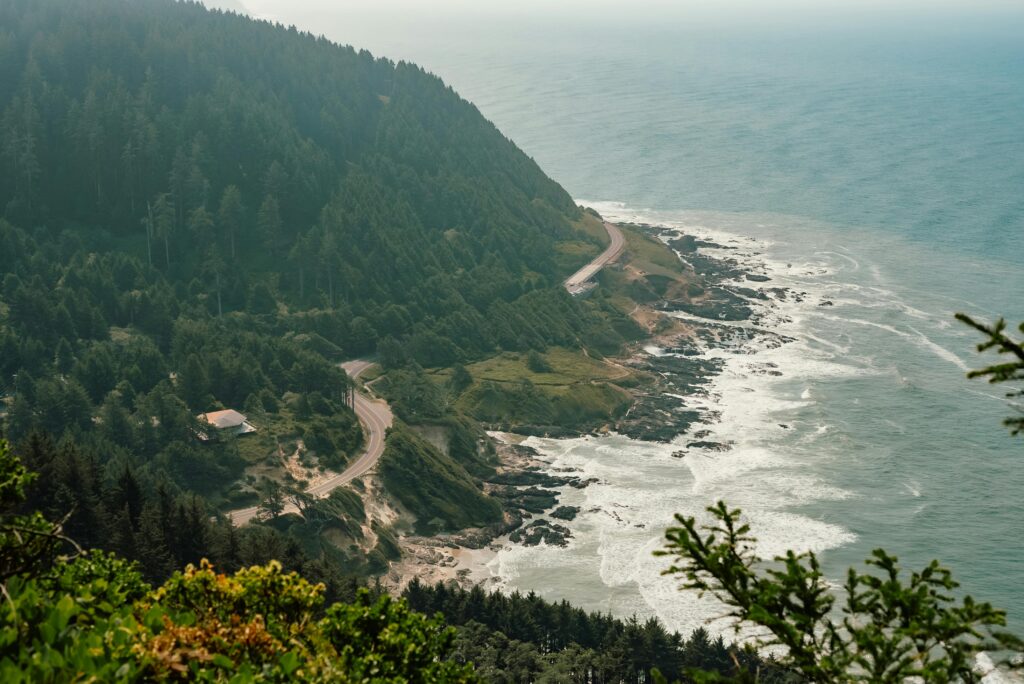
According to The Dyrt, the route spans five distinct regions, established along existing roads like U.S. Highway 101 and California State Route 1, allowing travelers to drive along the edge of the continent.
Highlights of the Pacific Coast Highway guide
The journey begins in Washington from the Olympic Peninsula to the Columbia River, stretches down the Oregon coast, passes through the northern California redwoods, winds through the central California region of Big Sur and concludes in the southern California cities.
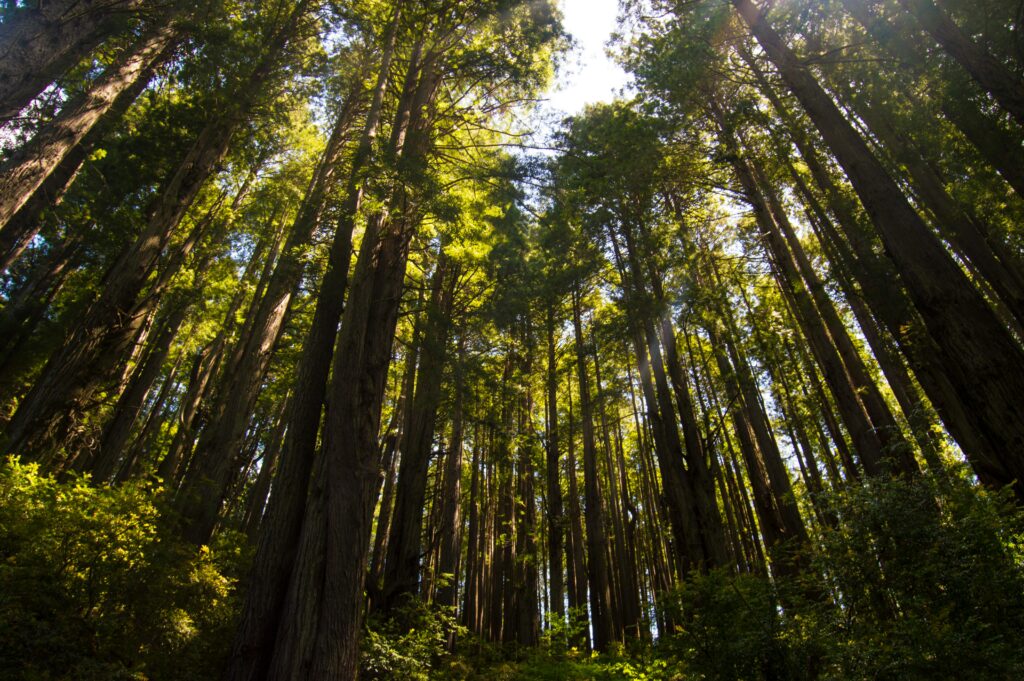
The route is celebrated for its natural diversity. The Dyrt points out that travelers can walk among 300-foot redwoods in the morning and watch the sunset over a sandy beach on the same day. The highway weaves through cultural landmarks, fishing villages and artistic beach towns.
It also passes near major metropolitan areas like San Francisco and Los Angeles, adding urban flavor to the remote scenery. Generations of travelers have used the highway to visit historic lighthouses, surf iconic breaks or gaze at the Pacific Ocean from bluffside viewpoints. Much of the coastline remains protected within parks and public lands.
Read More: U.S. to release limited edition passport with Trump’s face
The Dyrt notes that starting at either end offers a different experience in climate and scenery. Southbound travelers experience a slow transition from misty rainforests to Mediterranean climates, while northbound drivers move from arid coasts toward lush, foggy woods.
“There are so many iconic road trips and amazing camping properties all over the country, but the sheer beauty of traveling along the PCH and camping under the stars near the Pacific Ocean may be unmatched anywhere in the world,” said The Dyrt CEO Kevin Long. “We recommend making this a two- to three-week trip, if possible, between June and September. Experiencing the rainforests, ocean cliffs, redwood groves, beaches and coastal towns in the summer months is as good as it gets.”
To help travelers navigate these features, The Dyrt included smaller segment guides that break the route into day-by-day suggestions. The publication highlights planning tips, seasonal considerations and budgeting hacks. It also includes information on fuel, services and connectivity, noting the importance of mobile networks (like the guide’s sponsor T-Mobile) for staying connected on the road.
The route mostly consists of two-lane coastal highways, which can present challenges such as coastal fog, wind, curvy narrow roads, summer traffic and occasional landslides. Standard vehicles and recreational vehicles can make the trip, though some sections are steep and winding.
The grand finale of the guide is The Dyrt’s official list of the 10 best places to camp along the Pacific Coast Highway. The publication highlights renowned locations across three states. In Washington, the guide recommends Kalaloch Campground and Cape Disappointment State Park.
Read More: With gas prices soaring, are more people taking public transit?
For travelers passing through Oregon, The Dyrt suggests River Bend County Park and Nehalem Bay State Park. In California, the list features Kirk Creek Campground and El Capitan State Beach. The Dyrt ensures each featured campground is located close to the main route to keep travelers on schedule.
Late spring and early fall often offer fewer crowds and mild temperatures for those looking to avoid peak summer traffic. The Dyrt encourages community members to turn the highway into a multi-week adventure because it seamlessly links iconic parks with accessible campgrounds up and down the coast.
Travelers can access the full road trip overview and detailed segment guides to begin planning their journey.
